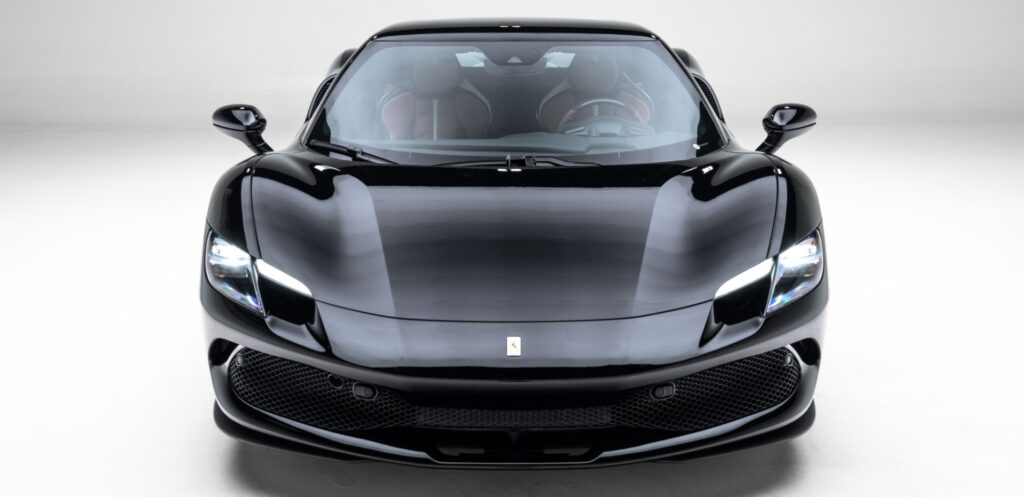
For a long time, the word “hybrid” didn’t exactly excite car enthusiasts. It made them think about efficiency, quiet commuting, and getting better mileage.
Then Ferrari, McLaren, Porsche, Lamborghini, and others started using electric motors for something different: More power.
At iLusso, we’ve watched hybrid technology completely change the exotic car market. Some of the most important supercars and hypercars ever built are now using electric motors alongside traditional internal combustion engines…not to make them boring, but to make them faster, sharper, and more capable than ever before.
The Ferrari LaFerrari, McLaren P1, and Porsche 918 Spyder were among the first to prove the concept at the highest level.
Fast forward to today, and cars like the Ferrari SF90, Lamborghini Revuelto, McLaren Artura, and Ferrari 296 GTB have taken that same philosophy into a new generation of performance.
And honestly, we believe hybrids are a great path for the supercar’s future…
You still get the sound of an engine. You still get gear changes, vibration, mechanical character, and the emotion that comes with driving something truly special. But now, you also get instant electric torque, incredible traction, and acceleration that traditional gas-powered supercars struggle to match.
Below, we have listed some of the best hybrid supercars ever built and how they stack up against older gas-powered vehicles and even newer fully EV cars.
#1. Ferrari 296 GTB
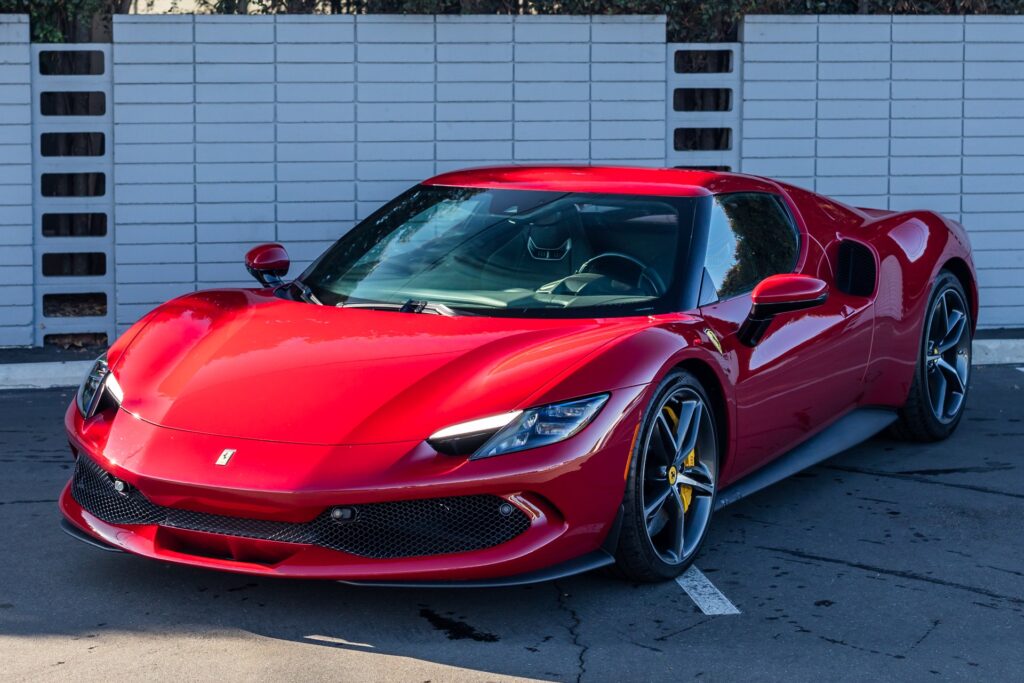
The Ferrari 296 GTB is one of the best examples of why hybrid technology makes sense in a modern supercar. Ferrari took a relatively compact twin-turbocharged V6 and paired it with an electric motor, creating a car that produces extraordinary performance without losing the character drivers expect from Maranello.
What makes the 296 especially impressive is how natural the hybrid system feels. The electric motor fills in the gaps in power delivery and gives the car immediate response, while the combustion engine still provides the sound and personality that make a Ferrari feel like a Ferrari. It is a forward-thinking supercar that still knows how to be emotional.
At iLusso, the 296 GTB is one of those cars that proves electrification does not automatically mean less excitement. It simply means performance can arrive in a completely different way.
- Powertrain: Twin-turbocharged 3.0-liter V6 paired with an electric motor for a combined output of approximately 830 CV.
- Performance: Ferrari claims 0 to 62 mph in 2.9 seconds and a top speed exceeding 205 mph.
- Why It’s Special: The hybrid system provides immediate torque while preserving the lightweight, rear-wheel-drive character that makes the 296 feel like a proper driver’s Ferrari.
#2. Acura NSX
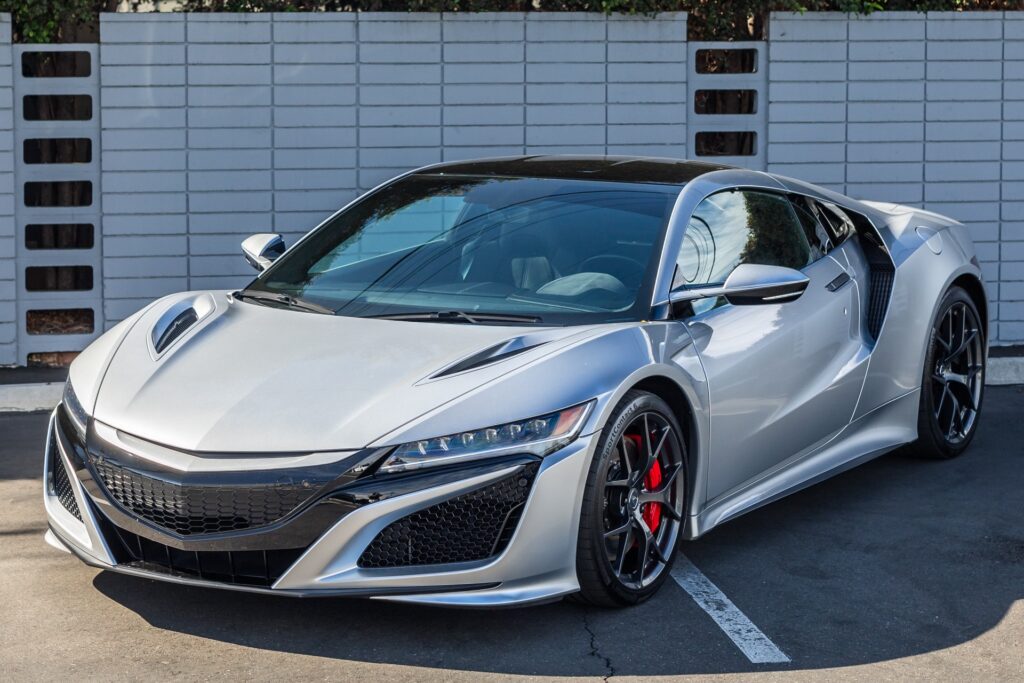
The second-generation Acura NSX took a very different approach to hybrid performance. Rather than simply adding an electric motor for extra horsepower, Acura built an advanced hybrid system around the entire driving experience.
Its twin-turbocharged V6 works alongside three electric motors, including motors at the front axle that help create all-wheel-drive capability. The result is a supercar that can distribute power with incredible precision while remaining remarkably approachable in real-world driving.
The NSX may not have the same exotic presence as a Ferrari or Lamborghini, but its technology is genuinely impressive. It remains one of the most underrated hybrid supercars of the modern era.
- Powertrain: Twin-turbocharged 3.5-liter V6 with three electric motors.
- Performance: Approximately 573 horsepower with advanced all-wheel-drive traction.
- Why It’s Special: Its hybrid system was designed around handling and torque distribution, not just adding straight-line speed.
#3. McLaren Artura
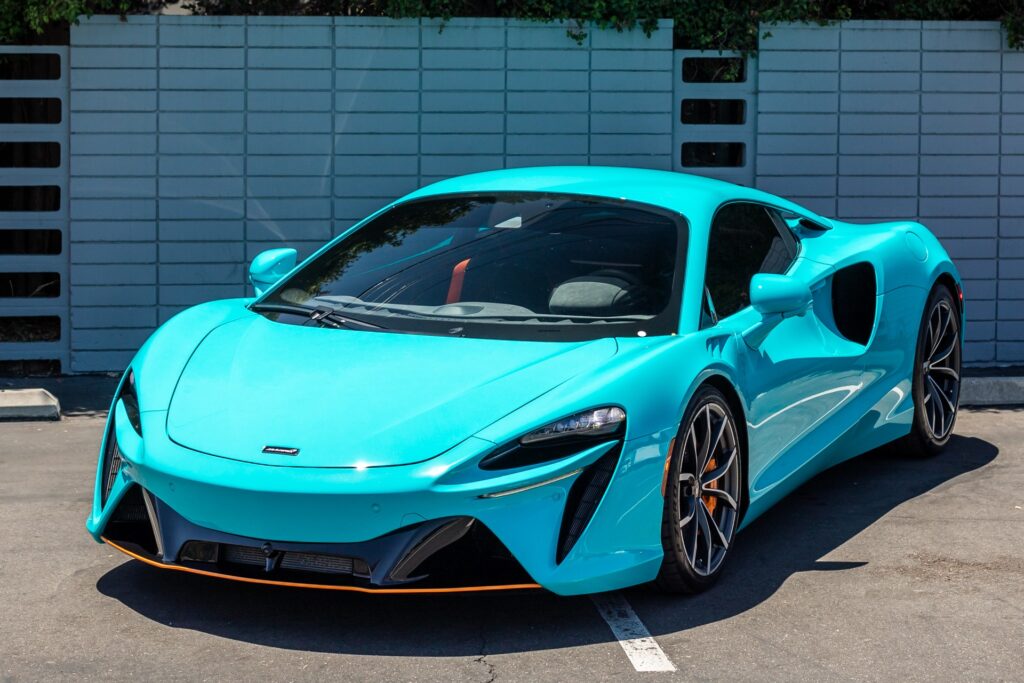
The McLaren Artura represents a new chapter for the British supercar manufacturer. It replaced the familiar V8 formula found in earlier McLaren models with a lightweight twin-turbocharged V6 and electric motor.
That may sound like a major departure, but the Artura still feels very much like a McLaren. Lightweight construction, sharp steering, and an emphasis on driver engagement remain at the center of the experience.
The hybrid system adds instant torque while helping the Artura deliver stronger low-end response than a traditional turbocharged engine alone. It is proof that electrification can improve performance without completely changing a brand’s personality.
- Powertrain: Twin-turbocharged V6 paired with an electric motor.
- Performance: Modern versions produce more than 650 horsepower combined and deliver explosive acceleration.
- Why It’s Special: The Artura brings hybrid technology into a more accessible McLaren package while maintaining the brand’s focus on lightweight performance.
#4. Chevrolet Corvette E-Ray
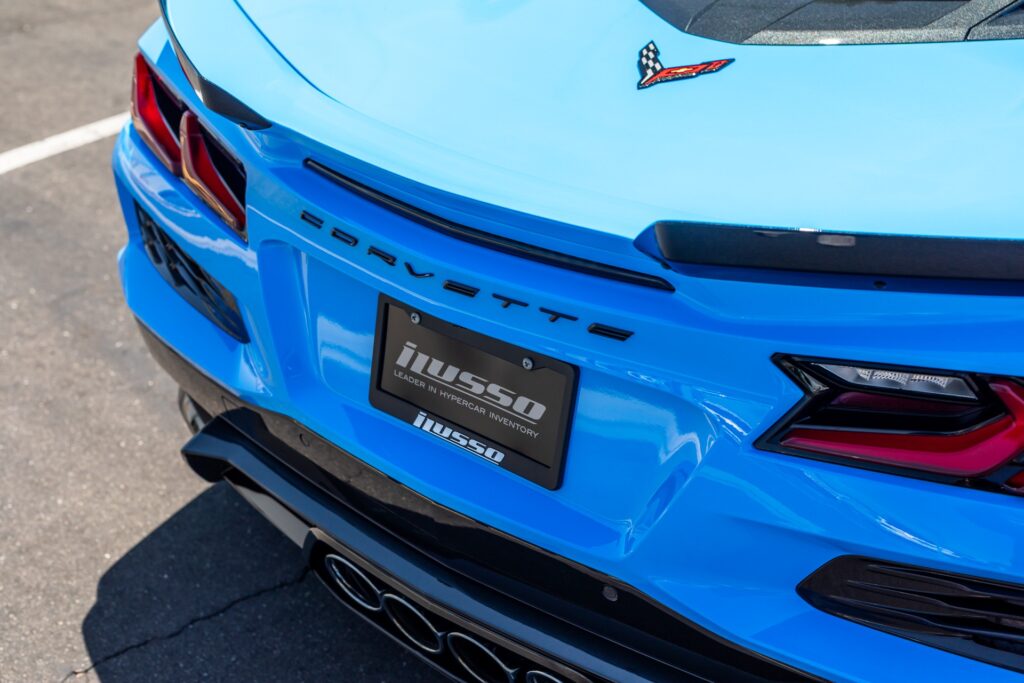
The Corvette E-Ray is an important car because it brings hybrid technology to one of America’s most recognizable sports cars. Chevrolet kept the naturally aspirated V8 that enthusiasts love and added an electric motor to the front axle.
The result is the first electrified Corvette and the first production Corvette with electrified all-wheel-drive capability. It launches incredibly hard while still sounding and feeling like a Corvette should.
The E-Ray proves that hybrid performance technology does not have to mean abandoning tradition. Sometimes, it simply makes an already great formula even better.
- Powertrain: Naturally aspirated 6.2-liter V8 paired with a front-mounted electric motor.
- Performance: Approximately 655 horsepower with all-wheel-drive traction.
- Why It’s Special: It combines classic American V8 character with instant electric torque and dramatically improved launch performance.
#5. Ferrari LaFerrari
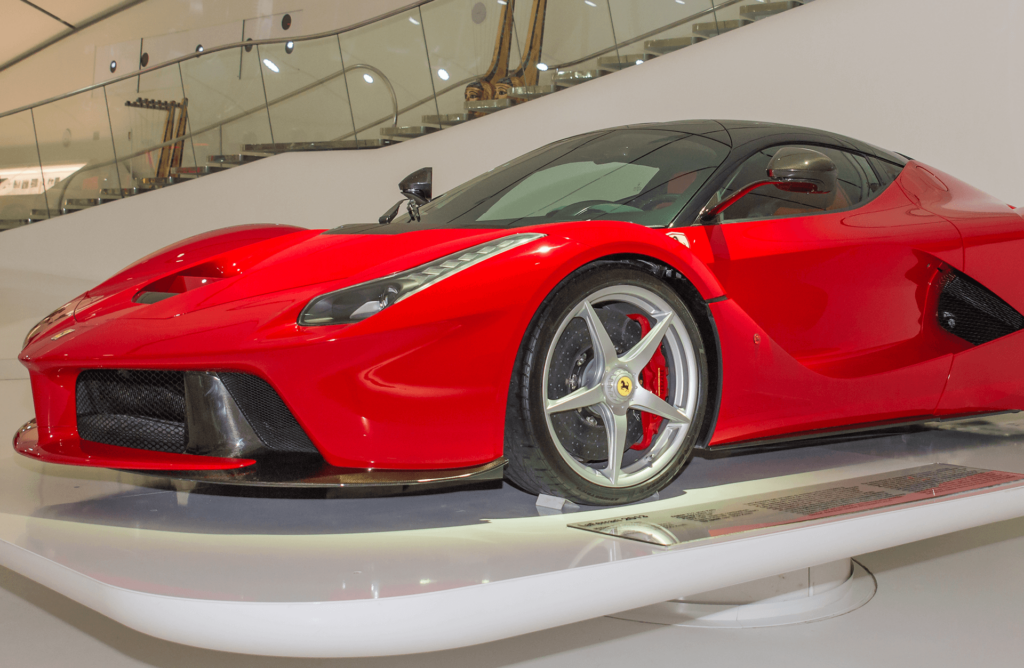
The Ferrari LaFerrari helped change the conversation around hybrid hypercars forever.
When Ferrari introduced it, the company wasn’t trying to create an efficient commuter car. The hybrid system was developed to make the naturally aspirated V12 even more powerful and responsive.
That distinction matters. The LaFerrari’s electric assistance exists to enhance the experience, not replace it. You still get the sound of one of Ferrari’s greatest V12 engines, but now with electric torque helping deliver performance that was almost unimaginable for a road car at the time.
Even today, the LaFerrari remains one of the most desirable hybrid hypercars ever built.
- Powertrain: Naturally aspirated 6.3-liter V12 paired with an electric motor.
- Performance: Approximately 950 horsepower combined with blistering acceleration.
- Why It’s Special: The hybrid system enhances one of the greatest naturally aspirated engines ever installed in a Ferrari rather than taking away from its character.
#6. Honda NSX
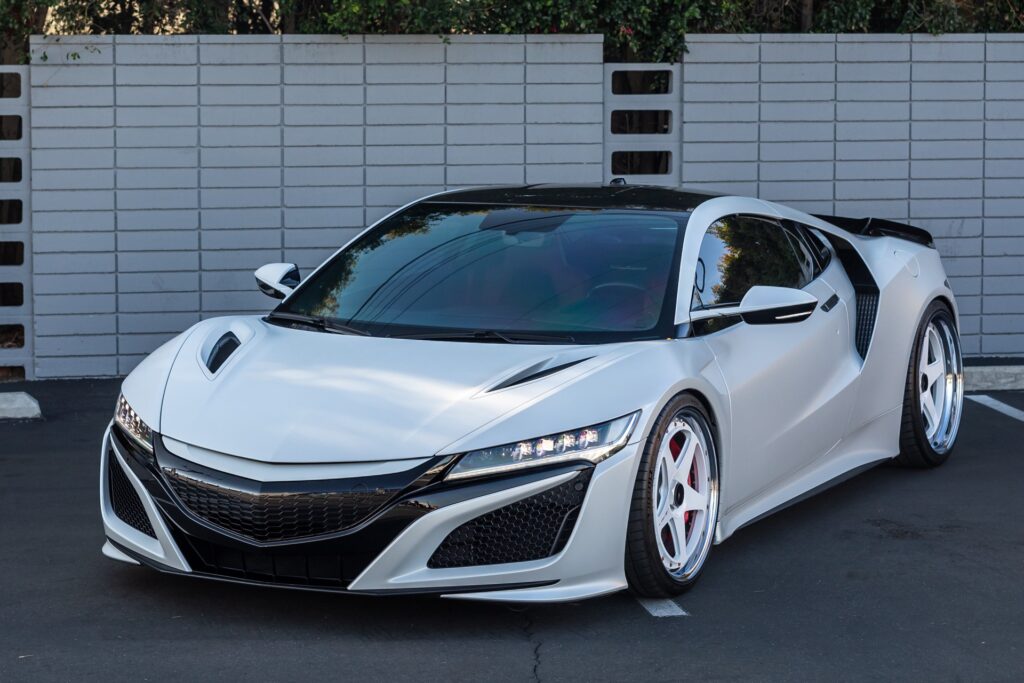
Yes, the Honda NSX and Acura NSX are essentially the same second-generation car depending on the market, but the car deserves recognition regardless of which badge is on the hood.
Honda approached hybrid performance differently from Ferrari and McLaren. The focus was on creating a highly intelligent system capable of constantly managing torque between the front and rear wheels.
The result was a technologically advanced supercar that could be driven comfortably in everyday situations while still delivering serious performance when pushed. It remains one of the most sophisticated examples of hybrid engineering in the supercar world.
- Powertrain: Twin-turbocharged V6 combined with three electric motors.
- Performance: Approximately 573 horsepower and advanced torque-vectoring capability.
- Why It’s Special: The electric motors do more than increase power. They actively improve traction, cornering, and overall vehicle control.
#7. Lamborghini Revuelto
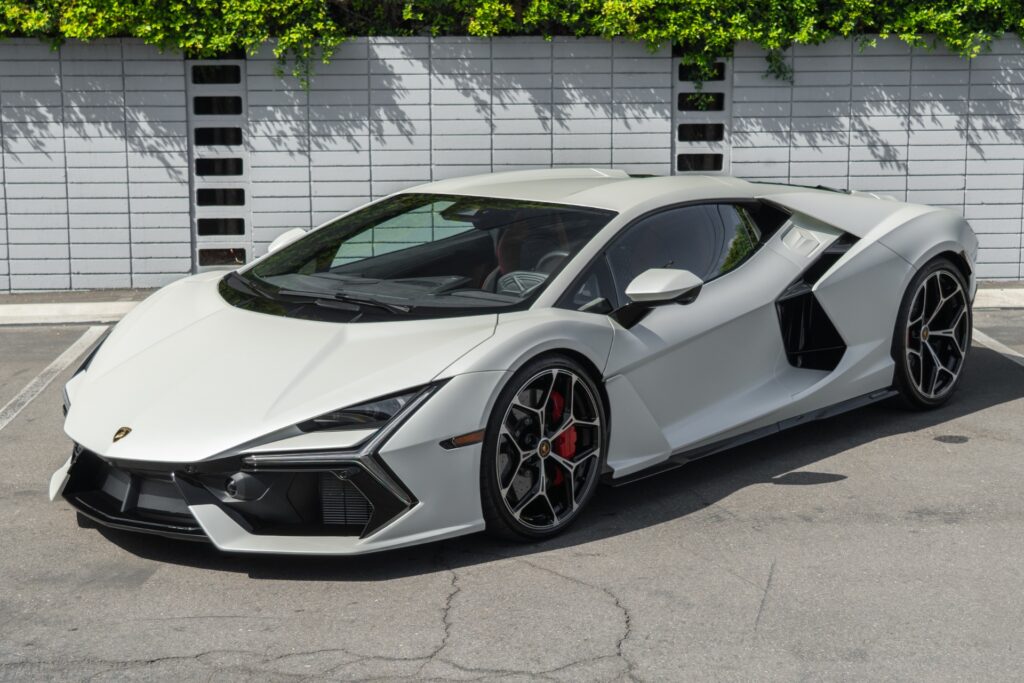
The Lamborghini Revuelto represents a huge moment for the brand.
For years, Lamborghini enthusiasts worried that electrification would mean the end of the screaming V12. Instead, Lamborghini found a way to keep it alive.
The Revuelto pairs a naturally aspirated V12 with three electric motors, producing over 1,000 horsepower while maintaining the sound and drama that buyers expect from a flagship Lamborghini. This is exactly the kind of hybrid supercar we believe represents the future of the high-end market.
You get the electric performance.
But you still get the V12.
- Powertrain: Naturally aspirated V12 paired with three electric motors and a dual-clutch gearbox.
- Performance: 1,015 CV, 0 to 62 mph in 2.5 seconds, and a top speed exceeding 217 mph.
- Why It’s Special: Lamborghini proves hybrid technology can add incredible performance without sacrificing the engine character and driving emotion that define the brand.
#8. McLaren P1
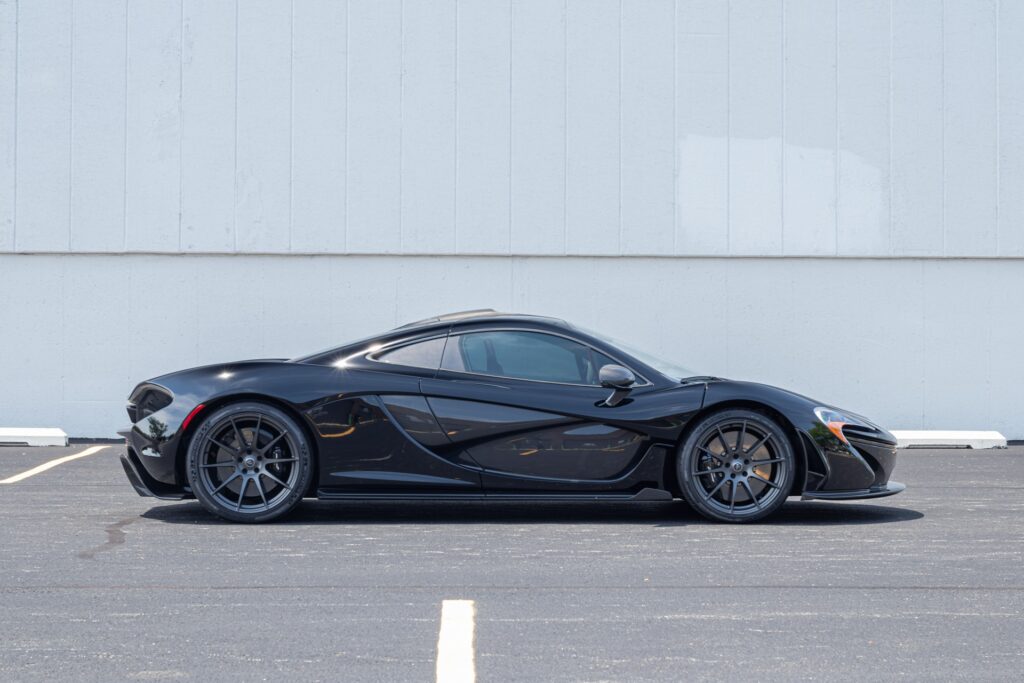
The McLaren P1 is one-third of what enthusiasts often call the hybrid hypercar “Holy Trinity.”
Released alongside the Ferrari LaFerrari and Porsche 918 Spyder era, the P1 showed the world what McLaren believed a hybrid hypercar should be. It was aggressively aerodynamic, brutally fast, and designed with serious motorsport influence.
Unlike a traditional gas-powered supercar, the electric motor helped fill in the power delivery from the twin-turbo V8. The result was immediate response combined with enormous high-speed performance.
Even more than a decade later, the P1 still feels futuristic.
- Powertrain: Twin-turbocharged 3.8-liter V8 paired with an electric motor.
- Performance: Approximately 903 horsepower combined.
- Why It’s Special: The P1 used hybrid technology to improve throttle response and performance while remaining focused on weight, aerodynamics, and track capability.
#9. Porsche 918 Spyder
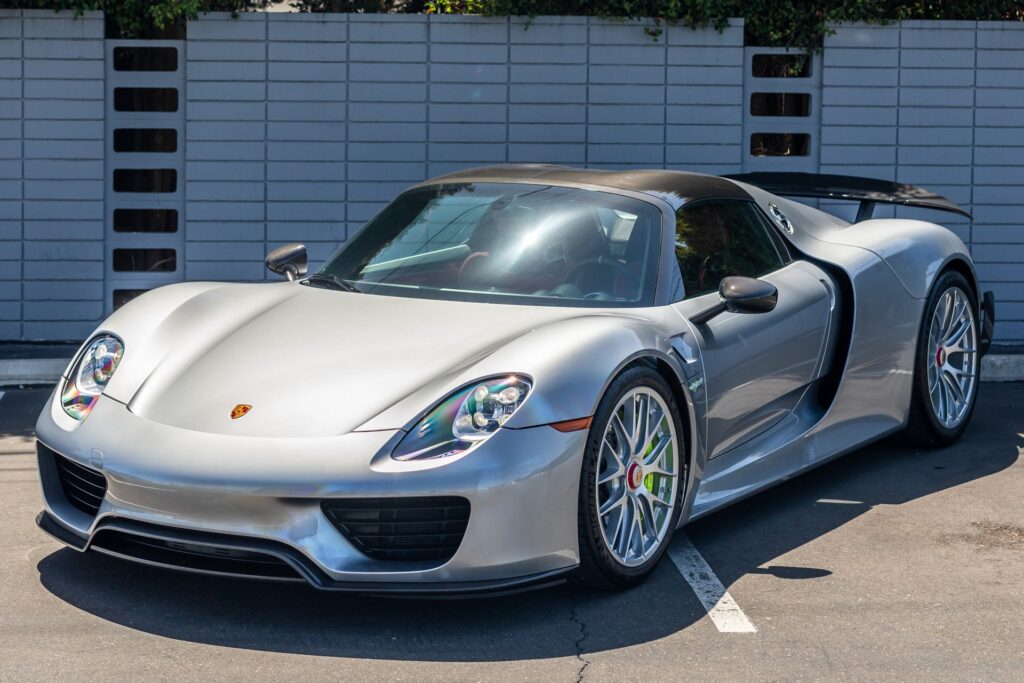
The Porsche 918 Spyder may be one of the most complete hybrid hypercars ever built.
Unlike the LaFerrari and P1, the 918 used two electric motors, including one powering the front axle. This gave Porsche the ability to create an advanced all-wheel-drive system with remarkable traction and torque distribution.
It was also one of the first hybrid hypercars to prove its capability on the Nürburgring. The 918 became the first production car to officially break the seven-minute barrier around the Nordschleife, helping establish hybrid technology as a serious force in high-performance driving.
The Porsche 918 didn’t just predict the future of supercars. In many ways, it helped create it.
- Powertrain: Naturally aspirated 4.6-liter V8 paired with two electric motors.
- Performance: Approximately 887 horsepower combined with 0 to 60 mph acceleration in the low two-second range.
- Why It’s Special: Advanced electric all-wheel drive, extreme performance, and genuine usability make the 918 one of the most important hybrid hypercars ever built.
#10. Ferrari SF90
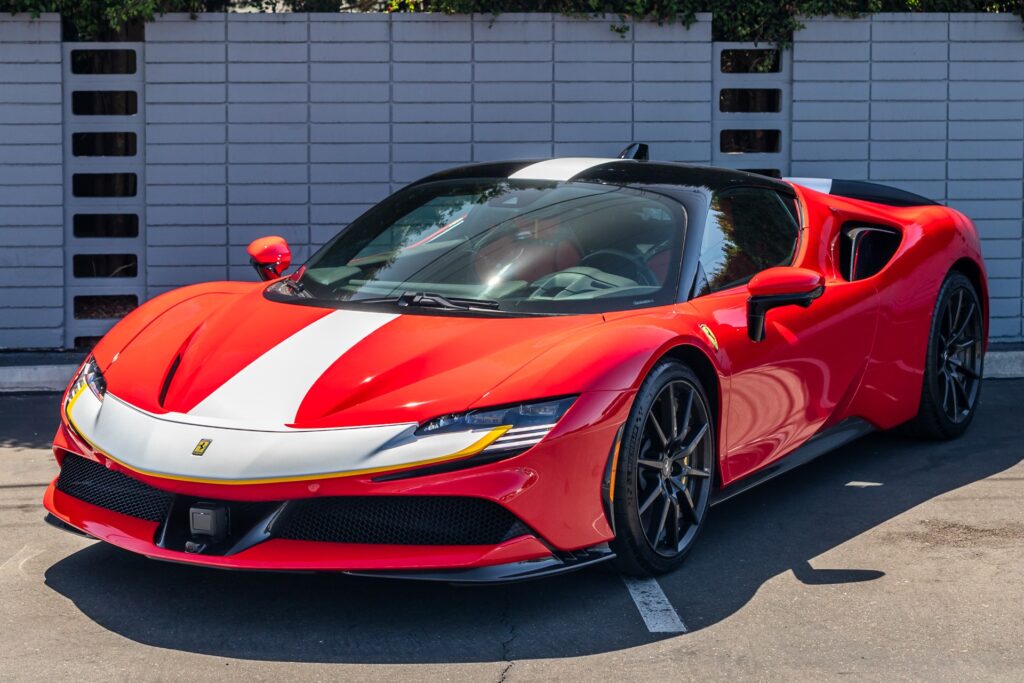
The Ferrari SF90 takes hybrid technology to another level.
With a twin-turbocharged V8 and three electric motors, the SF90 delivers nearly 1,000 horsepower and acceleration that puts it firmly into hypercar territory. Unlike the limited-production LaFerrari, the SF90 brought this level of hybrid performance into Ferrari’s broader production lineup.
Its electric motors also help create all-wheel-drive traction, allowing the car to launch with incredible force. The result is one of the fastest Ferraris ever produced.
The SF90 demonstrates just how quickly hybrid technology has evolved from a niche experiment into a core part of modern supercar performance.
- Powertrain: Twin-turbocharged V8 paired with three electric motors.
- Performance: Approximately 986 horsepower and a claimed 0 to 60 mph time of around 2.5 seconds.
- Why It’s Special: The SF90 combines near-hypercar power with advanced all-wheel-drive traction and technology that can be used in a road-going production Ferrari.
Why Are Hybrid Supercars Faster Than Traditional Gas-Powered Supercars?
The biggest misconception about hybrid supercars is that the electric motor is there primarily to save fuel.
Fuel efficiency is certainly a benefit, but performance is the real reason these systems have become so popular among exotic car manufacturers.
Instant Torque
Electric motors deliver power almost immediately.
Traditional combustion engines need to build RPM and, in turbocharged engines, wait for boost. Electric motors can provide immediate torque, filling in those gaps and making acceleration feel more violent and responsive.
This is especially noticeable in cars like the Ferrari 296 GTB and McLaren P1, where electric assistance helps smooth out power delivery.
Faster Acceleration
Combining an internal combustion engine with electric motors creates enormous combined output.
More importantly, the electric motors can assist exactly where the combustion engine is less effective. The result is acceleration that is faster and more immediate than many traditional gas-powered supercars.
Improved Traction
Hybrid systems can also dramatically improve traction.
Cars like the Porsche 918 Spyder and Ferrari SF90 use electric motors to help power the front wheels, creating advanced all-wheel-drive capability. That means manufacturers can put enormous amounts of horsepower to the ground without simply spinning the tires.
Better Fuel Efficiency
Let’s be honest, nobody is buying a Ferrari SF90 to save money at the gas station.
Still, hybrid technology can improve efficiency during normal driving. Electric-only operation, regenerative braking, and smarter energy management allow these cars to use fuel more effectively than a comparable traditional high-performance engine.
The important thing is that modern hybrid supercars can improve efficiency without making the driving experience feel compromised.
Why Hybrid Supercars May Be Better Than Fully Electric Supercars (In an Exotic Car Lover’s Mind, Anyway)
This is where things get interesting.
Fully electric supercars are becoming incredibly fast. A high-performance EV can produce instant torque, devastating launch control, and acceleration numbers that make even the fastest gas-powered cars look slow.
But speed isn’t everything.
Especially when you’re talking about supercar buyers.
At iLusso, we see it every day. People shopping for a Ferrari, Lamborghini, McLaren, or Porsche are rarely making a completely logical purchase. They already know there are faster, more practical, and more affordable ways to get from one place to another.
They’re buying an experience.
Longer Range and Easier Long-Distance Driving
A hybrid supercar gives you the benefits of electric assistance without depending entirely on charging infrastructure.
Once the battery reaches a lower state of charge, you still have an internal combustion engine ready to keep going. For owners who actually want to drive their cars on long trips, that flexibility matters.
Engine Sound and Character
This may be the biggest advantage.
A fully electric supercar can be unbelievably fast, but it cannot recreate the sound of a naturally aspirated V12 approaching redline.
It can’t replicate the turbo noises from a twin-turbo V8.
And it can’t completely replace the vibration, gear changes, and mechanical character of an internal combustion engine.
For many collectors, those things are not outdated technology.
They’re the entire point.
Greater Driving Engagement
Hybrid supercars allow manufacturers to use electric technology as an enhancement rather than a replacement.
The electric motor adds instant torque. The engine provides the sound and emotion. The transmission delivers gear changes. Together, they create an experience that feels both futuristic and mechanical.
That’s a combination we think will be difficult for fully electric supercars to replace.
Are Hybrid Supercars the Future?
Probably.
But we don’t think that means the internal combustion engine is disappearing from the highest levels of the exotic car world anytime soon.
The best hybrid supercars prove that manufacturers don’t have to choose between performance and emotion. Cars like the Revuelto, LaFerrari, McLaren P1, Porsche 918 Spyder, and Ferrari SF90 show what happens when electric technology is used to make an already incredible engine even better.
At iLusso, that’s where we see the future of the supercar market heading.
Fully electric cars will continue getting faster. Their technology will become more advanced, and their acceleration numbers will become even more ridiculous.
But hypercar and supercar buyers are not just shopping for numbers.
They want noise.
They want drama.
They want theatre.
They want to feel the engine behind them.
And for now, hybrid technology may be the best way to deliver both worlds.
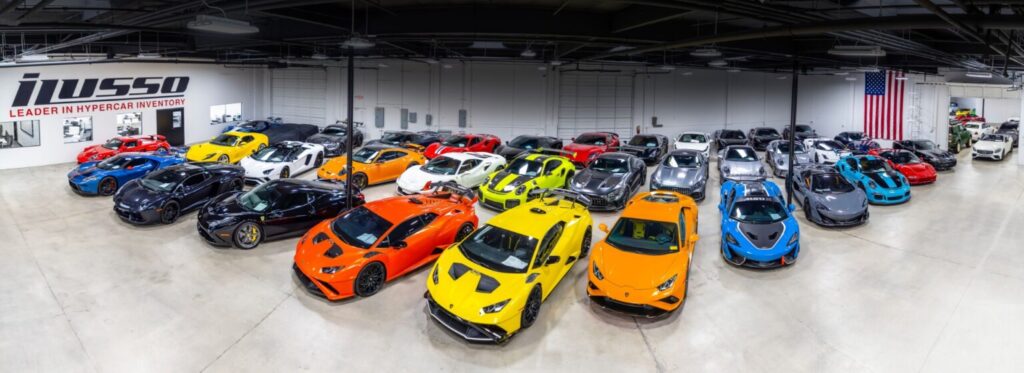
Find Your Next Hybrid Supercar at iLusso
At iLusso, we work with some of the most exciting vehicles in the exotic car market, including modern hybrid supercars and the gasoline-powered legends that came before them.
Whether you’re searching for a Ferrari 296 GTB, McLaren Artura, Lamborghini Revuelto, Porsche 918 Spyder, or another high-performance machine, our team understands what makes these cars special beyond the numbers on a spec sheet.
And if you’re thinking about selling your current exotic to make room for the next evolution of your collection, we can help with that too.
Browse our inventory or contact iLusso today. The future may be electric-assisted, but that doesn’t mean it has to be any less exciting.



Most Recent Posts
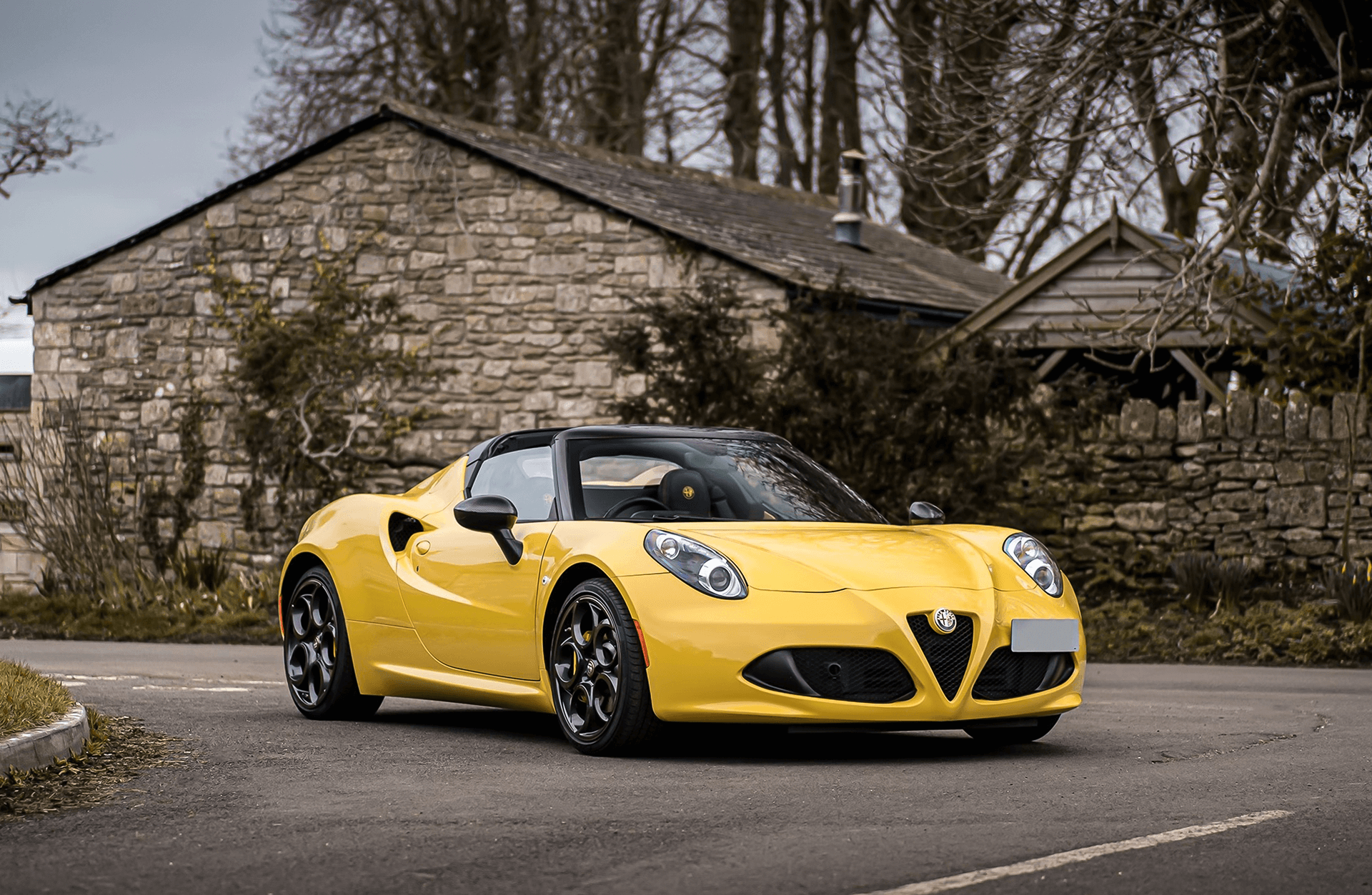
Will the Alfa Romeo 4C Spider Become a Classic Exotic Car?
Monday 30,2022 By aanEditor
Alfa Romeo vehicles have always been among the most sought after and highly collectible cars, so it would be no surprise if there’s another of those with the 4C Spider. If you’re looking to buy an Alfa Romeo, this could be the classic car you should choose. What exactly is it that makes Alfa Romeo’s cars just so good anyway? One of their strongest
Read More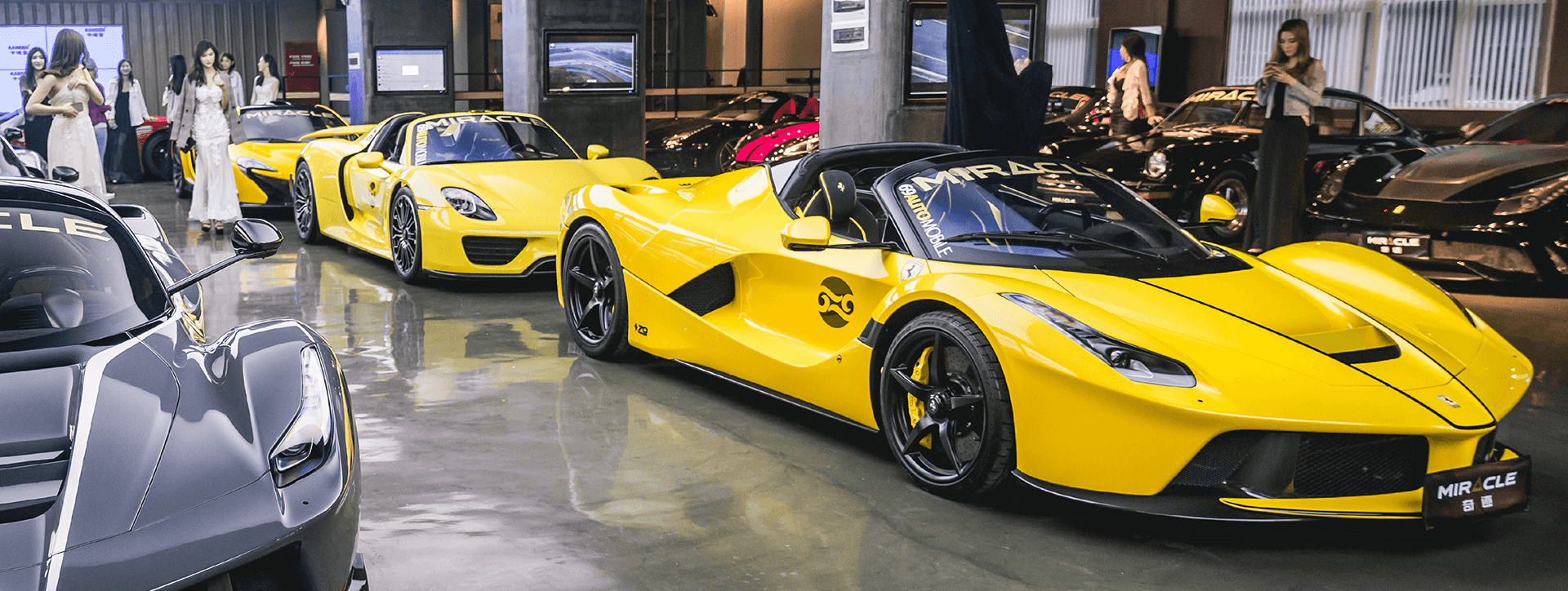
Will EV Hypercars Ever Become More Popular Than Traditional Hypercars?
Wednesday 10,2026 By aanEditor
For years, the automotive world has been asking the same question: Are electric hypercars the future? On paper, the answer seems obvious. Modern all-electric hypercars are producing performance numbers that would have seemed impossible just a decade ago. Instant torque, incredible acceleration, advanced torque vectoring systems, and cutting-edge
Read More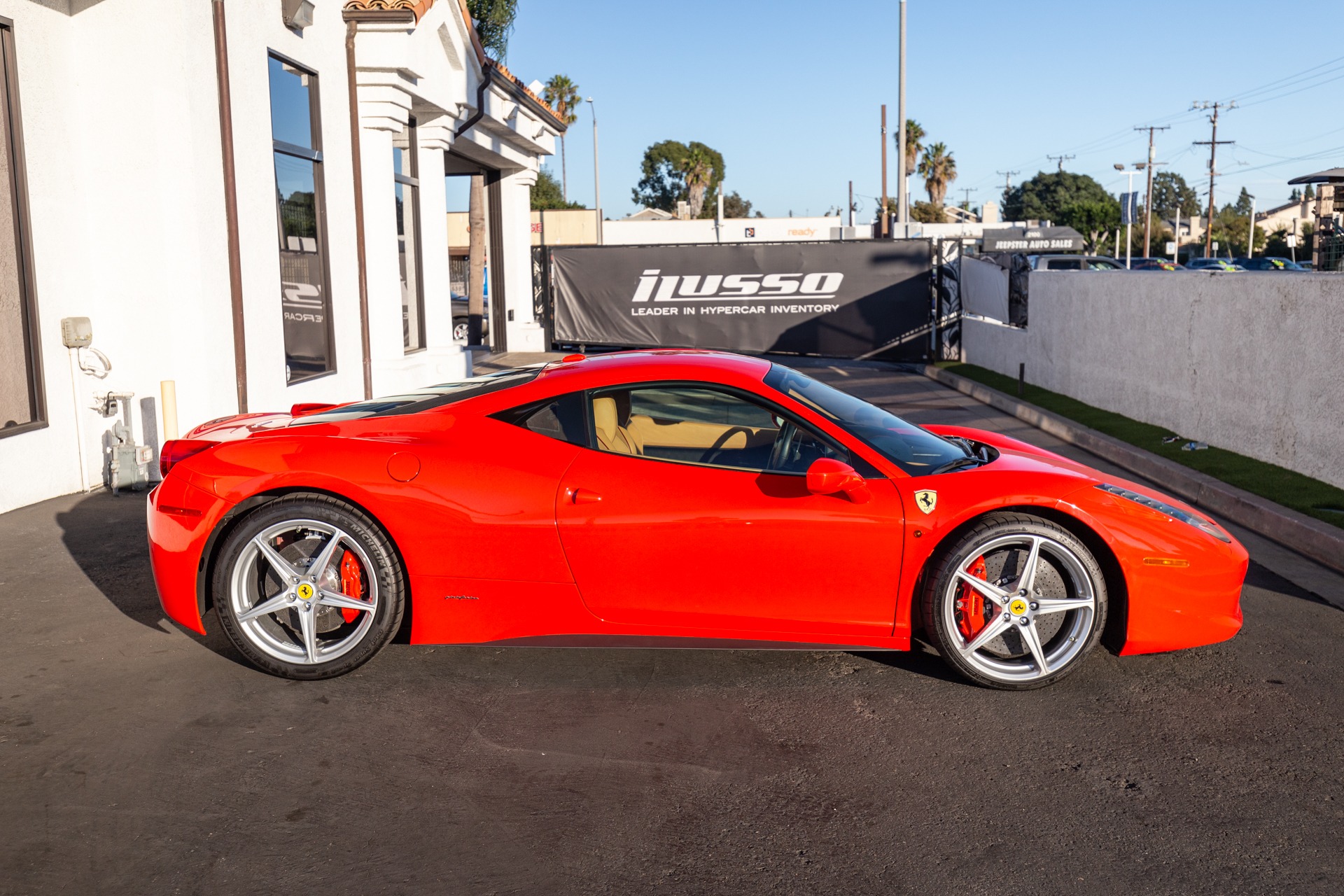
Why the Ferrari 458 Is Still A Car Enthusiasts Dream Car.
Wednesday 18,2023 By aanEditor
The Ferrari 458 is a mid-engined sports car produced by the Italian automotive manufacturer Ferrari. The 458 replaced the Ferrari F430, and was first officially unveiled at the 2009 Frankfurt Motor Show. It was succeeded by the Ferrari 488. The 458 is powered by a 4.5-liter V8 engine, which is capable of producing 562 horsepower and 398 lb-ft of torque.
Read More