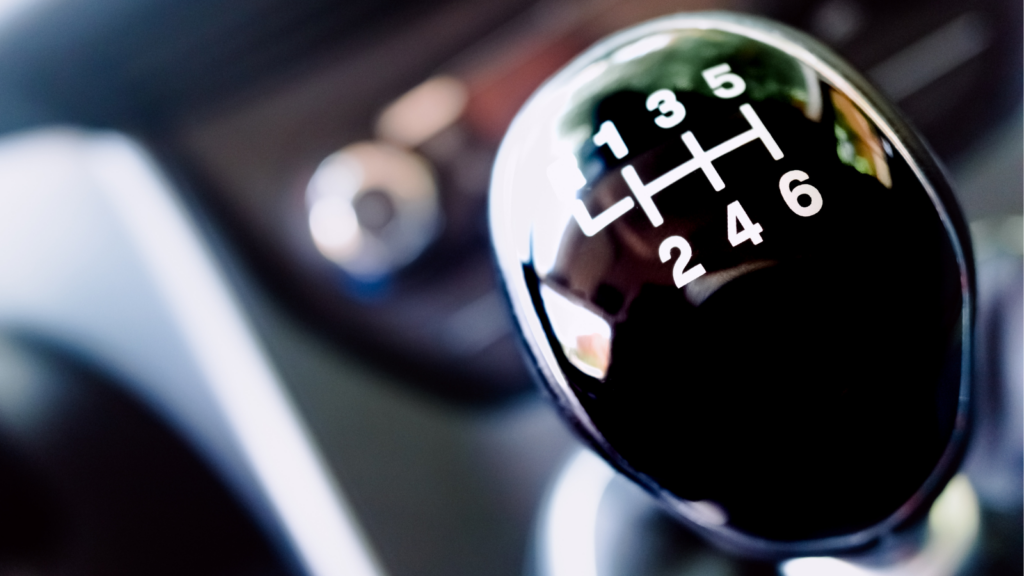
It is no secret that manual transmissions are a dying breed. With technological advancements being made on what feels like a daily basis, automatic and dual-clutch transmissions have been crowned superior in most performance applications. The ability to shift faster than ever has pushed supercar manufacturers to move away from manual transmissions. Most no longer offer a manual option.
With all the accomplishments that automatic transmissions offer, there is still something they can never replace: the joy and adrenaline buzz that comes from being physically in control of an exotic car’s power. The feeling of command as you work through the gears and become a moving, working piece of a speeding supercar is exactly why enthusiasts haven’t lost their love for three pedals.
At iLusso, we’ve seen that enthusiasm reflected in the resale market. Manual supercars are becoming increasingly rare, but they remain extremely popular with collectors and enthusiasts. We’ve seen previous-generation Audi R8, Lamborghini Gallardo, and Ferrari F430 models bring considerably more money on resale when equipped with a factory manual transmission. Rarity is certainly part of the equation, but there’s also something special about owning a supercar that still asks you to shift it yourself.
So, which manual supercars can you still buy, and which used models should enthusiasts have on their radar?
Current Supercars Offering Manual Transmissions
Exotic car manufacturers know that a select number of their customers still desire the option of a manual transmission. Paddle shifters and lightning-fast dual-clutch transmissions provide more control than a conventional automatic, but they can’t fully mimic the involvement of operating a clutch and manual gearbox yourself.
A bare few performance car manufacturers have not completely abandoned the manual transmission. Porsche is one of the most notable holdouts.
1. Porsche 911
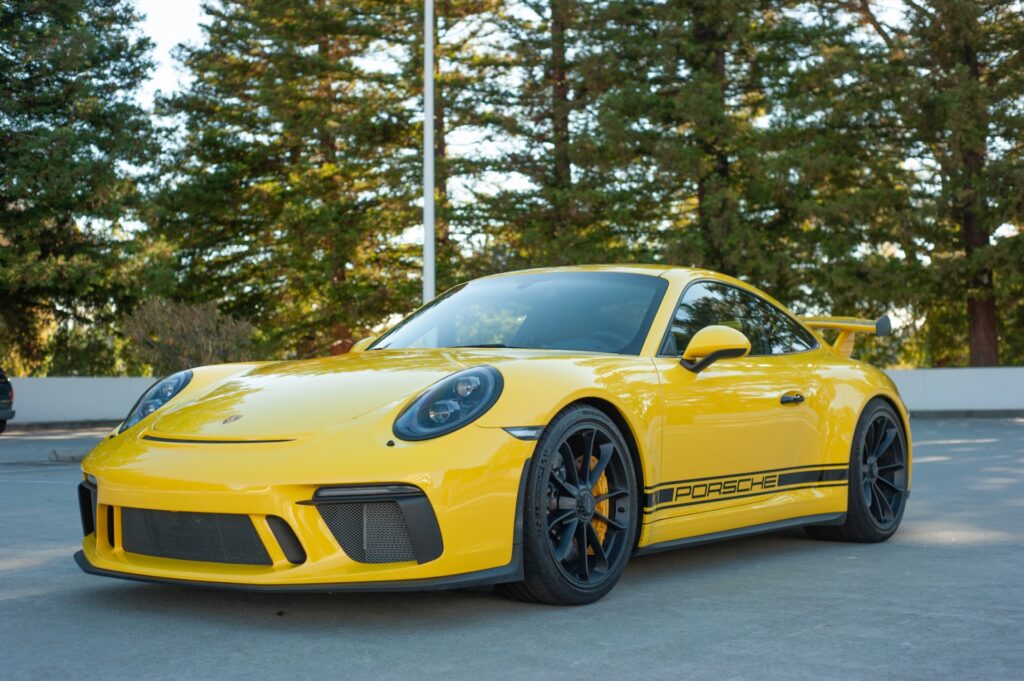
The Porsche 911 remains one of the rare high-performance cars you can still buy with three pedals. While a manual transmission isn’t available across the entire 911 lineup, Porsche has continued to preserve it on several enthusiast-focused versions.
The 911 GT3 is perhaps the most significant example. The 992-generation GT3 could be ordered with a six-speed GT Sport manual transmission through at least the 2024 model year, and the newest GT3 continues to offer a manual. Once options are added, a GT3 can easily move into $250,000-plus territory, making it one of the very few modern performance cars at this price level that can still be purchased with a traditional manual gearbox.
The GT3 with Touring Package also keeps the manual option at the heart of its more understated driving experience. Porsche’s PDK is quicker, but that’s not necessarily what every GT3 buyer is looking for. For some enthusiasts, choosing the six-speed manual is about maximizing involvement rather than minimizing lap times.
The Carrera T takes that philosophy even further. The latest Porsche 911 Carrera T is manual-only, pairing a six-speed manual transmission with rear-wheel drive in both Coupe and Cabriolet form. Porsche has also continued to find ways to keep the manual alive elsewhere within the Carrera family.
Just don’t assume that every track-focused Porsche gets three pedals. The Porsche 911 GT3 RS is always equipped with PDK. The RS is designed around extracting maximum performance, where the speed of a dual-clutch transmission takes priority over the involvement of shifting manually.
2. Porsche 718 Cayman and Boxster
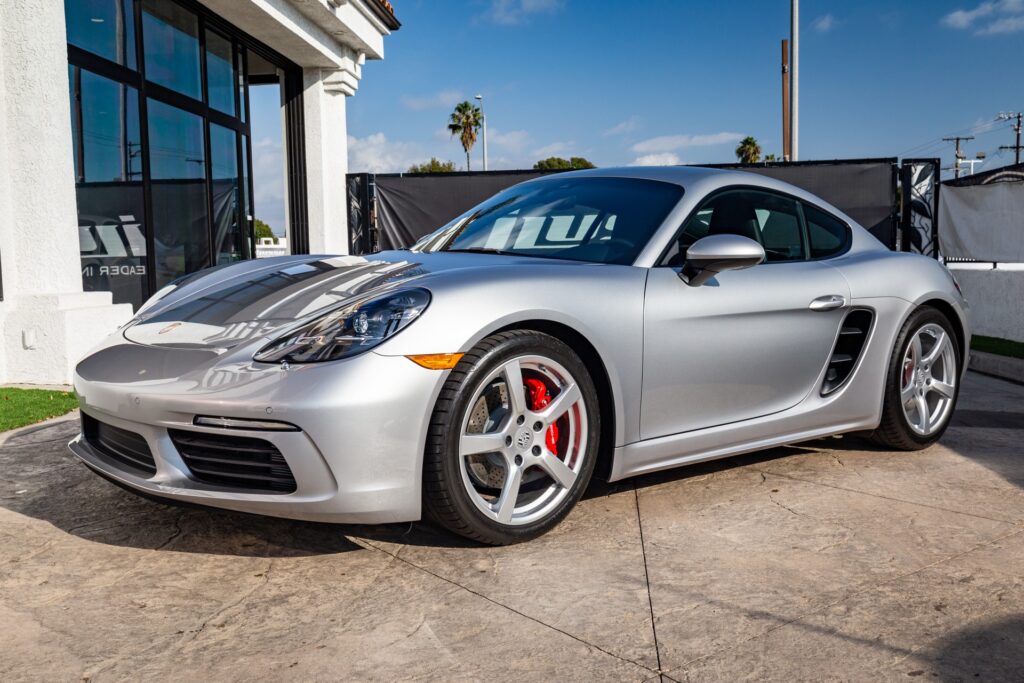
The Porsche 718 family has also been an important refuge for enthusiasts who want a manual gearbox in a modern mid-engine sports car.
The 718 Cayman GTS 4.0 and 718 Boxster GTS 4.0 have been available with a six-speed manual transmission, as were the 718 Cayman GT4 and 718 Spyder. Pairing a naturally aspirated flat-six with a traditional manual creates exactly the kind of simple, driver-focused combination that is disappearing from modern performance cars.
As with the 911, however, you need to pay attention to the letters following the model name. The 718 Cayman GT4 RS and 718 Spyder RS use Porsche’s seven-speed PDK rather than a manual transmission.
For shoppers, the distinction is pretty simple: GT4, yes. GT4 RS, no. Spyder, yes. Spyder RS, no.
Manual-Only Supercars
Some of the greatest manual supercars never offered buyers another choice. These manual-only supercars were designed around the interaction between the driver, clutch, engine, and gearbox from the beginning.
That makes them particularly interesting today. As manuals in hypercars and supercars become increasingly uncommon, a car engineered exclusively around a manual transmission represents an era of performance engineering we’re unlikely to see on the same scale again.
1. Porsche Carrera GT
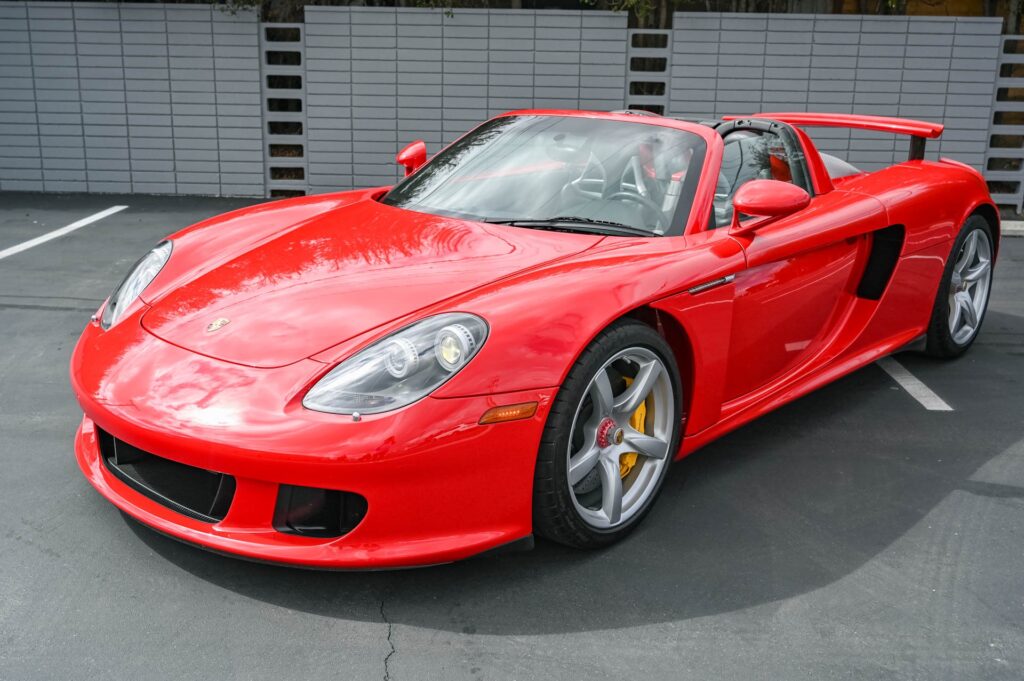
Few cars make the argument for a manual transmission better than the Porsche Carrera GT. Its race-derived 5.7-liter V10 produces more than 600 horsepower, but Porsche didn’t put an automatic, dual-clutch, or automated manual transmission between the driver and that incredible engine. Every Carrera GT left the factory with a six-speed manual transmission.
The combination has become legendary. Its compact gear lever, distinctive wood shift knob, demanding clutch, and screaming naturally aspirated V10 require genuine involvement from the person sitting behind the wheel.
The Carrera GT wasn’t simply a supercar that happened to have a manual gearbox. The manual-only configuration is fundamental to its personality, and it’s a major reason the Carrera GT remains one of the most celebrated driver’s cars Porsche has ever produced.
2. Lotus Evora GT430

The Evora GT430 is simplistic in the best possible way. Its purity in the realm of supercars is quickly noticed. This vehicle was designed and manufactured for individuals who require the need for speed.
Offering a six-speed manual transmission accompanied by 430 horsepower, the Evora will most definitely leave you a satisfied customer. With limited production numbers and Lotus’ longstanding focus on lightweight, driver-centered performance, the GT430 represents a particularly pure interpretation of the modern driver’s car.
Popular Used Supercars With a Manual Transmission
Many used manual-transmission supercars are highly valued because they represent the last of their breed. That’s a point to emphasize for those wishing to invest in a rare used exotic car or simply own one that delivers a more involved driving experience.
This isn’t only theoretical for us. iLusso has seen the difference a factory manual can make in the exotic resale market, particularly with the Lamborghini Gallardo, Audi R8, and Ferrari F430. Comparable cars can command very different prices when one of them has that increasingly rare third pedal.
1. Lamborghini Gallardo
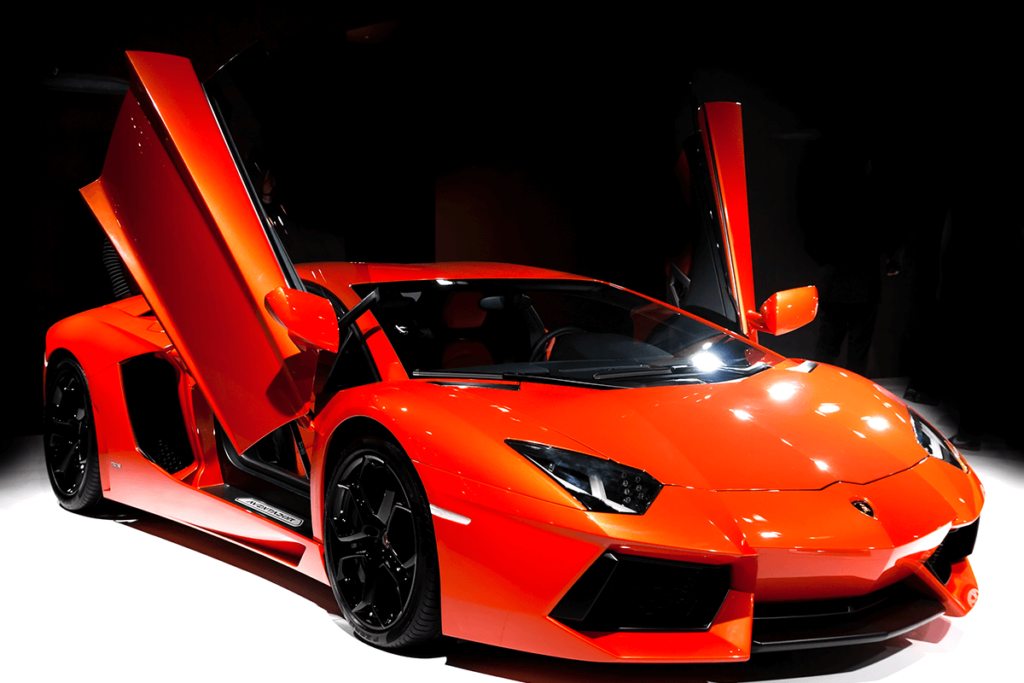
The Lamborghini Gallardo is a beast capable of providing a thrilling ride. With an aggressive naturally aspirated V10 producing serious horsepower, the Gallardo remains a very competent supercar even by today’s standards.
Lamborghini offered the Gallardo with both a traditional six-speed manual transmission and its e-gear automated manual. Although e-gear allows the driver to select gears without a conventional automatic transmission, it doesn’t provide the same experience as the manual gearbox and its beautiful gated shifter.
The Gallardo ultimately became the last series-production Lamborghini offered with a traditional manual transmission. Manual examples were relatively uncommon when new, and that scarcity matters considerably today.
We’ve seen that firsthand at iLusso. Previous-generation Gallardos equipped with factory manuals can pull significantly more money on resale than comparable e-gear cars. For collectors, the gated manual isn’t simply another option on the build sheet. It’s a major part of what can make one Gallardo more desirable than another.
2. Audi R8
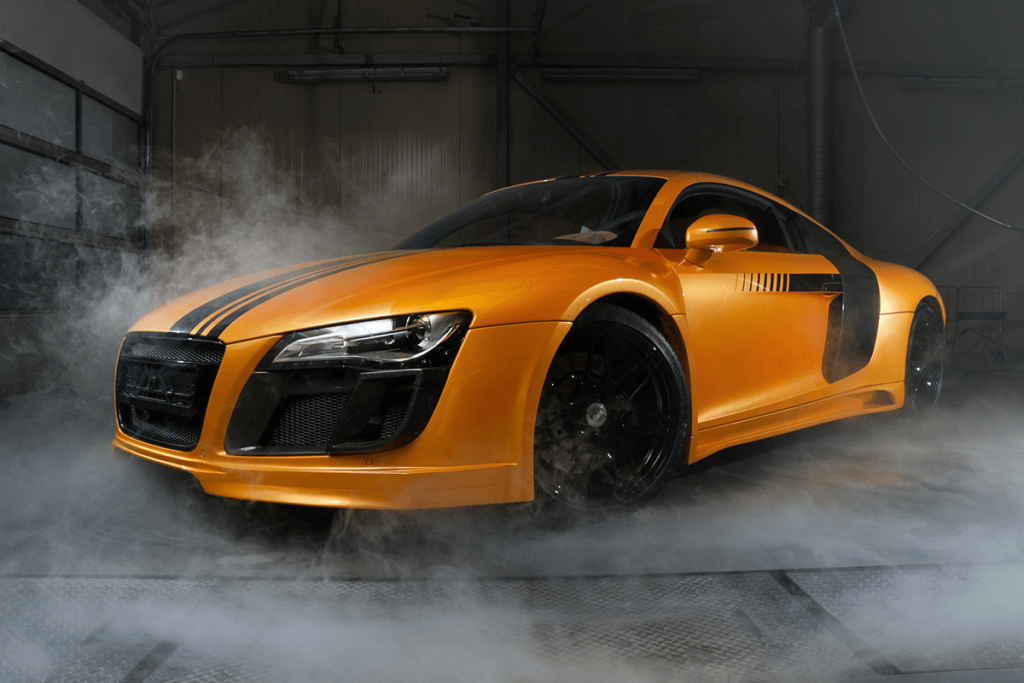
The first-generation Audi R8 is a mid-engine supercar that almost blends in with the road compared with some of its Italian counterparts. Its exterior doesn’t necessarily scream all-wheel-drive V10, but harnessing that power with an optional six-speed manual transmission makes the R8 a top choice for enthusiasts looking for speed and involvement.
Early R8s could be ordered with V8 or V10 power, and manual cars featured an exposed gated shifter that gives every gear change a mechanical quality that’s difficult to reproduce with paddles.
The Audi R8 has proven itself capable of being a daily driver as well as a speedster for days of driving fun. It also came in numerous configurations, so there can be a substantial difference between one used R8 and another.
Transmission is one of the differences that can matter most. At iLusso, we’ve seen earlier manual R8s bring considerably more money on resale. Enthusiasts know how uncommon gated manual exotic cars have become, and the market can reward the right example accordingly.
3. Ferrari 360
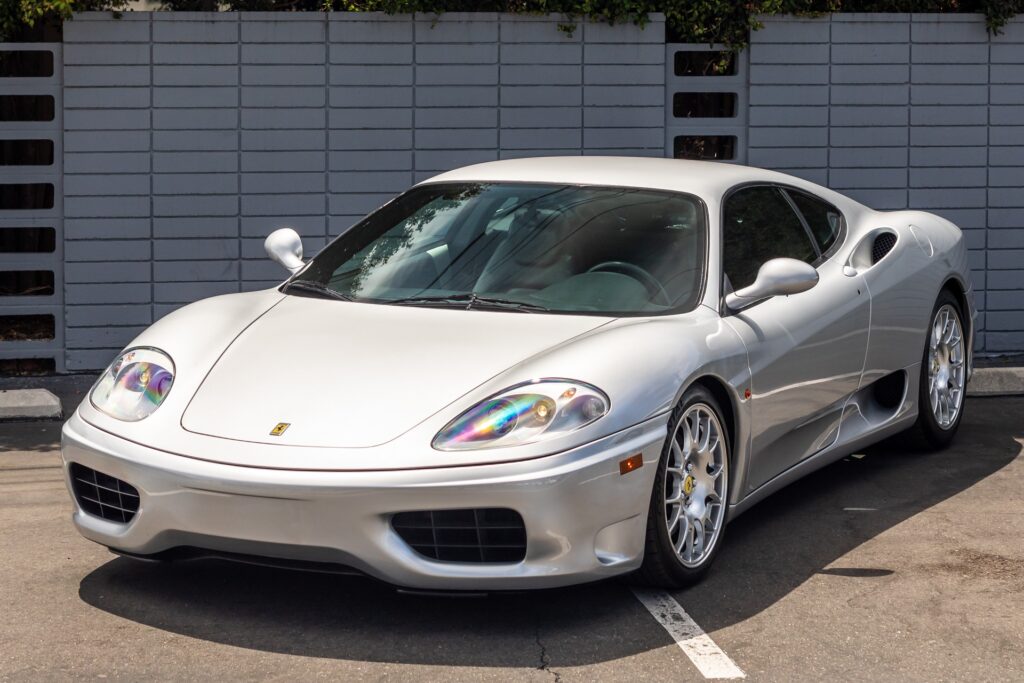
The Ferrari 360 belongs in any discussion of great manual supercars. Ferrari offered both the 360 Modena and open-top 360 Spider with a six-speed manual gearbox, complete with the metal gated shifter that became such an iconic feature of Ferrari interiors.
Buyers could alternatively choose Ferrari’s F1 automated manual transmission. That technology delivered quicker shifts and provided a glimpse of where Ferrari was heading, but the three-pedal cars provide a very different experience today.
The 360’s naturally aspirated V8 only adds to the appeal. With the engine singing behind you and the gear lever clicking through that metal gate beside you, there’s very little separating the driver from the mechanical experience.
4. Ferrari F430
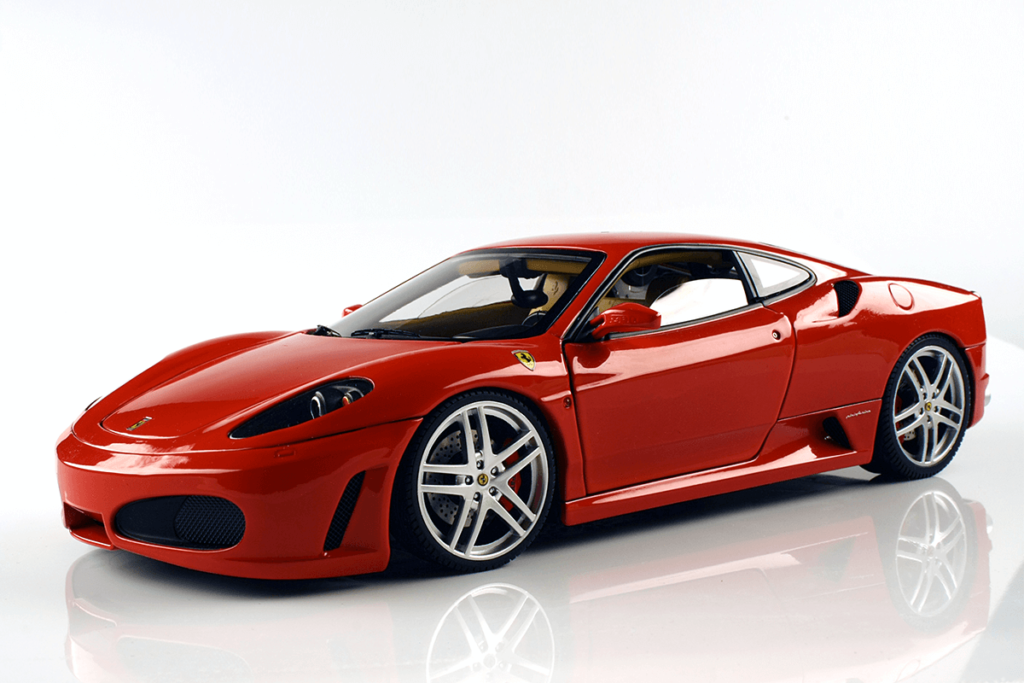
The Ferrari F430 had an optional six-speed manual transmission available, although many buyers chose Ferrari’s F1 automated manual instead. Ferrari introduced the F430 in 2004 and continued offering the traditional manual during its production run.
With its naturally aspirated V8 and iconic gated shifter, a three-pedal F430 now represents the end of an era. Ferrari moved away from traditional manuals after this generation, making genuine factory manual F430s especially desirable among collectors.
That’s a difference iLusso has seen reflected in actual resale values. Manual F430s can bring significantly more money than comparable F1-equipped examples. A transmission that wasn’t necessarily the quickest choice when the F430 was new has become one of the characteristics collectors may value most today.
The Ferrari F430 was capable of a top speed approaching 200 mph. But for many enthusiasts shopping for one now, the experience of changing gears yourself is far more important than shaving a fraction of a second from an acceleration time.
Why Did Supercars Stop Using Manual Transmissions?
The answer largely comes down to performance.
Modern dual-clutch transmissions can change gears much faster than a human operating a traditional manual gearbox. They allow manufacturers to deliver quicker acceleration times and make enormous amounts of horsepower easier to manage. That’s particularly important as modern supercars push well beyond performance levels that seemed extraordinary only a couple of decades ago.
Lamborghini’s e-gear automated manual and Ferrari’s F1 transmission represented important steps in that evolution. These systems automated clutch operation and gear changes before increasingly sophisticated dual-clutch transmissions took over.
From a numbers perspective, it’s easy to understand why manufacturers made the switch. From an enthusiast’s perspective, something was lost along the way.
A manual gearbox requires the driver to participate in every shift. Get it right, and there’s an enormous sense of satisfaction. Get it wrong, and the car isn’t going to hide every mistake for you. For many enthusiasts, mastering that relationship is part of what makes driving a supercar exciting in the first place.
Are Manual Supercars Worth More?
They certainly can be, and iLusso has seen examples of that firsthand.
Transmission is only one factor in an exotic car’s value. Mileage, condition, service history, specification, accident history, provenance, and overall market demand all matter. You can’t assume that every manual version will automatically be worth more than every paddle-shifted example.
But rarity and enthusiast demand can create a meaningful premium. We’ve seen prior-generation Audi R8s, Lamborghini Gallardos, and Ferrari F430s pull considerably more money on resale when they’re equipped with factory manual transmissions.
It makes sense when you consider what happened to production. When these cars were new, some buyers chose e-gear, F1, or other automated transmissions because they were newer technology and could shift faster. Today, manufacturers aren’t building replacements with traditional manuals, and the supply of genuine three-pedal cars is effectively fixed.
That leaves collectors competing for the manual cars that already exist.
For someone considering a manual supercar as both a car to enjoy and a significant purchase, originality also matters. A factory manual example and a car later converted from an automated transmission aren’t necessarily viewed the same way by collectors. Documentation and the car’s complete history should always be considered when evaluating its value.
Why Manual Supercars Still Matter
Although they may be a dying breed, manual transmissions will always excite car enthusiasts. For many manufacturers, manuals have served their role and slotted into a place in supercar history.
But demand hasn’t disappeared simply because production has.
If anything, the opposite is happening with certain cars. The fewer genuine manual-transmission supercars manufacturers build, the more distinctive the existing examples become. Porsche’s continued commitment to models such as the 911 Carrera T and GT3 demonstrates that there are still drivers willing to sacrifice the quickest possible shift for the experience of doing it themselves.
For enthusiasts who want a truly unique driving experience, used manual supercars offer something that outright performance numbers can’t measure. And as we’ve seen at iLusso, collectors are sometimes willing to pay substantially more to get it.
iLusso has streamlined the process for locating and buying used supercars. Are you looking for a particular model with a manual transmission? Our team loves a challenge! Contact us today for help locating and purchasing the perfect used manual supercar for you.



Most Recent Posts
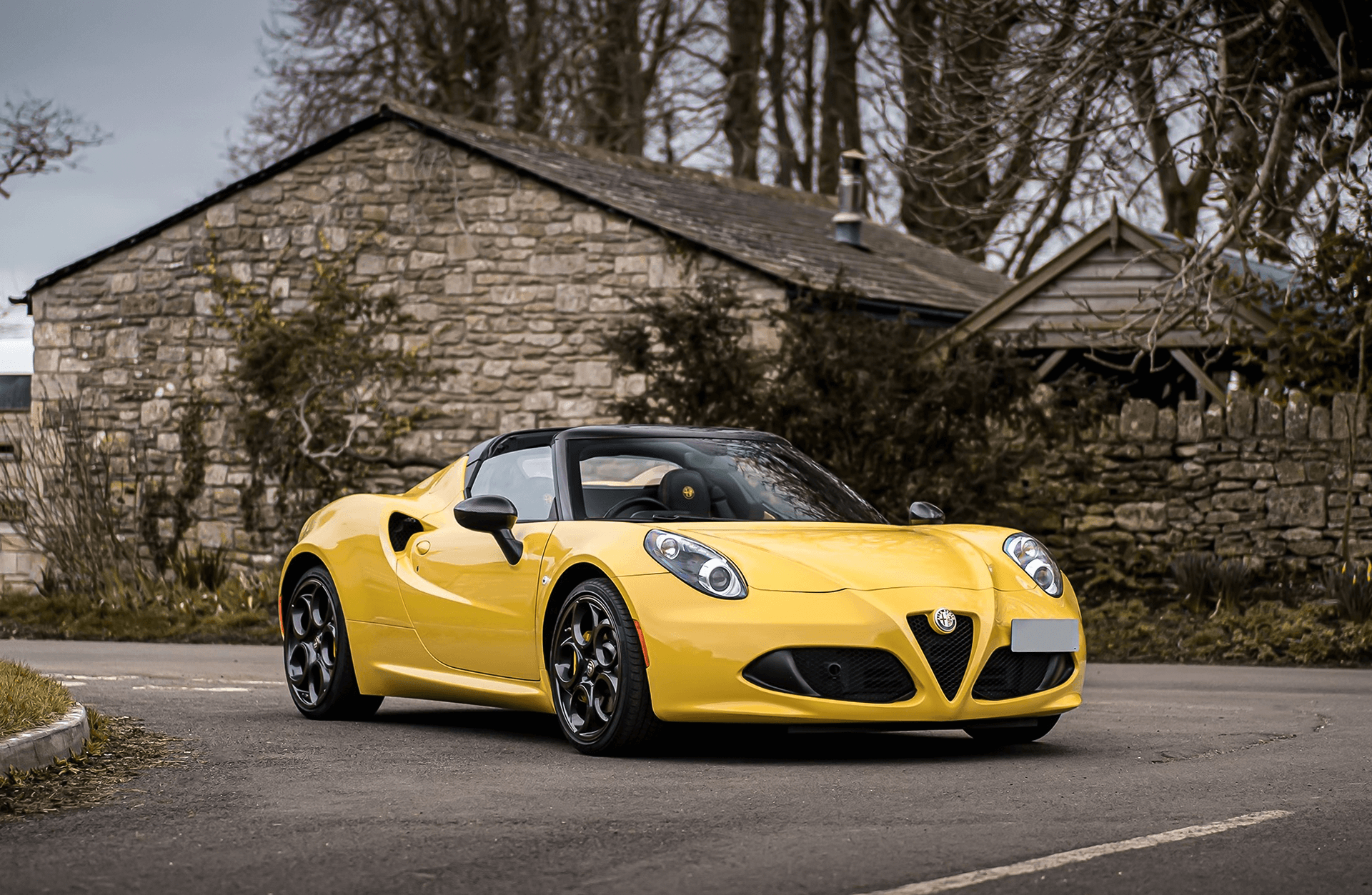
Will the Alfa Romeo 4C Spider Become a Classic Exotic Car?
Monday 30,2022 By aanEditor
Alfa Romeo vehicles have always been among the most sought after and highly collectible cars, so it would be no surprise if there’s another of those with the 4C Spider. If you’re looking to buy an Alfa Romeo, this could be the classic car you should choose. What exactly is it that makes Alfa Romeo’s cars just so good anyway? One of their strongest
Read More
Will EV Hypercars Ever Become More Popular Than Traditional Hypercars?
Wednesday 10,2026 By aanEditor
For years, the automotive world has been asking the same question: Are electric hypercars the future? On paper, the answer seems obvious. Modern all-electric hypercars are producing performance numbers that would have seemed impossible just a decade ago. Instant torque, incredible acceleration, advanced torque vectoring systems, and cutting-edge
Read More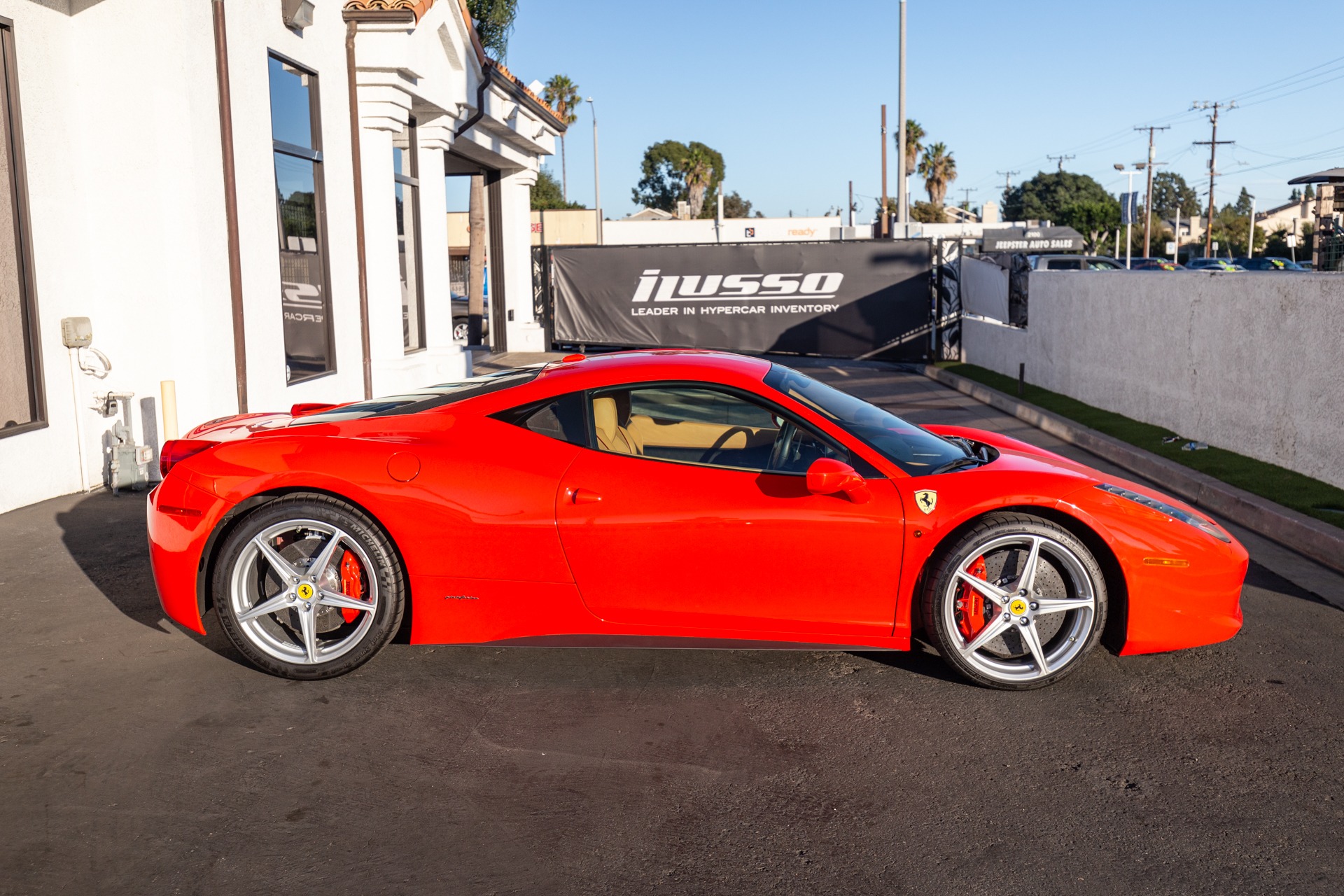
Why the Ferrari 458 Is Still A Car Enthusiasts Dream Car.
Wednesday 18,2023 By aanEditor
The Ferrari 458 is a mid-engined sports car produced by the Italian automotive manufacturer Ferrari. The 458 replaced the Ferrari F430, and was first officially unveiled at the 2009 Frankfurt Motor Show. It was succeeded by the Ferrari 488. The 458 is powered by a 4.5-liter V8 engine, which is capable of producing 562 horsepower and 398 lb-ft of torque.
Read More