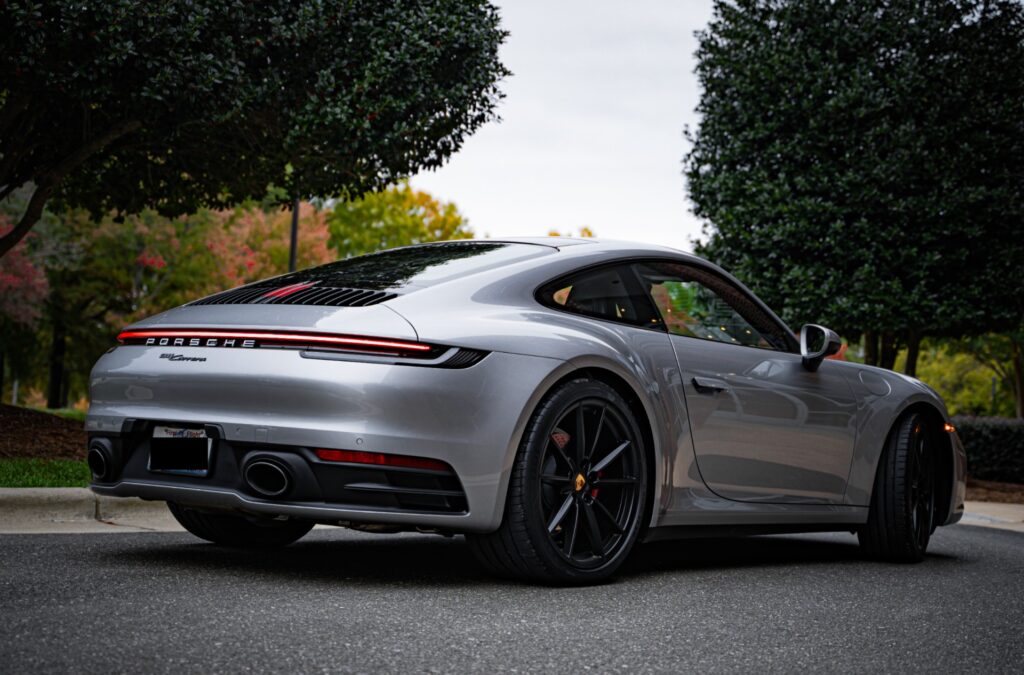
Most Porsche maintenance cost totals land around $1,000 to $2,000 per year for routine maintenance in the US.
When a larger service is needed (fluids, plugs, bigger inspections), the annual maintenance cost can move closer to $2,000 to $3,500.
At the top end, ultra-rare cars like the 918 Spyder and Carrera GT can see $5,000 to $15,000 in a year, depending on parts and expertise.
Costs vary because Porsche models aren’t built the same, your driving conditions matter, and labor rates swing widely between a dealership and an independent repair shop. The way the car’s driven matters too; gentle commuting vs. high-performance weekend runs change wear and tear fast.
To learn more, keep on reading to find out the real-world maintenance services you’ll actually buy, like an oil change, brake pads, fluid changes, and common repairs.
Why Annual Costs Can Be $5,000 to $15,000 for 918 Spyder and Carrera GT
Halo cars live in a different sphere. A 918 Spyder or Carrera GT is rare, complex, and worth well over a million dollars, so owners often choose top-tier care. Parts availability can be limited, and the labor is specialized. Even small needs can cost big money because the work demands expert hands, special tools, and careful procedures.
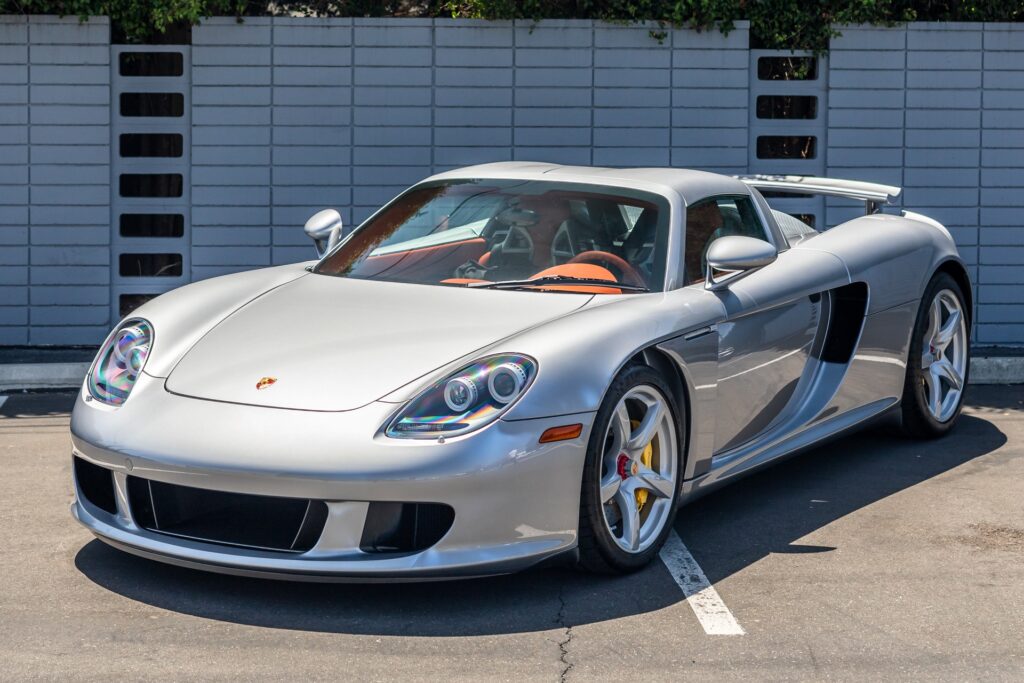
The Porsche 911: Lower Lifetime Maintenance Costs
The Porsche 911 has a strong reputation for reliability compared with many exotic nameplates. That doesn’t mean it’s cheap to service. It means fewer unexpected breakdowns can reduce downtime and soften lifetime repair costs. In contrast, brands like Ferrari, McLaren, and Lamborghini can carry higher unpredictability, which makes planning harder even when you can afford it.
Still, reliability doesn’t cancel physics. Rubber ages, fluids absorb moisture, and heavy right-foot moments chew through consumables. The owners who feel good about costs aren’t lucky, they’re consistent.
Other Notable Models
The Porsche Macan and Porsche Cayenne add weight, which often means more tire and brake wear over time.
A Cayman and a Boxster can be reasonable for sports cars, but they still need quality tires and timely service.
Overall, Porsches are one of the most dependable cars. This dependability lets you plan around the service interval instead of chasing warning lights. That means you can bundle maintenance services on your terms, shop labor rates, and choose the best timing for tires or brakes. It also helps you avoid “cascade repairs,” where one ignored issue stresses the next part.
An easy ownership experience is a real luxury. You spend more time driving and less time negotiating with a service center.
What Drives Porsche Maintenance Costs the Most
Three factors push maintenance costs up or down:
- The model you own
- How many miles you put on it
- Where you handle the vehicle’s maintenance
Porsche vehicles are engineered for speed, which means parts and fluids tend to be premium, and the service interval timing matters.
With new cars and other new vehicles, the math can look friendlier at first. A factory warranty helps with defects, but it doesn’t erase routine maintenance, tires, or wear items. Still, warranty coverage can steer you toward the dealership, because software updates, factory campaigns, and documentation are easier inside a Porsche service network.
Where you service it changes the bill, too. Labor rates are the multiplier, and a dealership service center usually has higher labor rates, factory tools, and brand-trained techs. A specialist repair shop can be cheaper while still doing excellent work, as long as it knows the platform and doesn’t cut corners.
Maintenance plans also change the feel of ownership. If you like predictable costs, PSMP (Porsche Scheduled Maintenance Plan) can prepay Porsche scheduled maintenance at participating centers. Porsche explains how the plan works on its official page for the Porsche Scheduled Maintenance Plan (PSMP).
Dealership vs. Independent Porsche Repair Shop
A dealership charges more because you’re paying for factory training, factory scan tools, and easy access to OEM parts. For newer vehicles, that can be worth it, because warranty claims, recalls, and software work often go more smoothly at the dealer. If you buy PSMP or other maintenance plans, the dealership path can also be simpler.
On the other hand, a respected independent repair shop often trims costs on basics without lowering standards. That’s where a lot of long-term owners manage repair costs as cars age. The key is choosing a shop with real Porsche service experience, clear estimates, and good records. You’re not just buying Porsche repair, you’re buying confidence.
A Simple Guide to Routine Maintenance, Service Intervals, and Common Repair Costs
Porsche scheduled maintenance is pretty standard: fluids age, rubber dries, and heat cycles take their toll. Here’s a quick way to picture the recurring spend in automotive terms. This table uses common US ranges that owners see at dealer pricing levels, while independents can sometimes come in lower.



Most Recent Posts
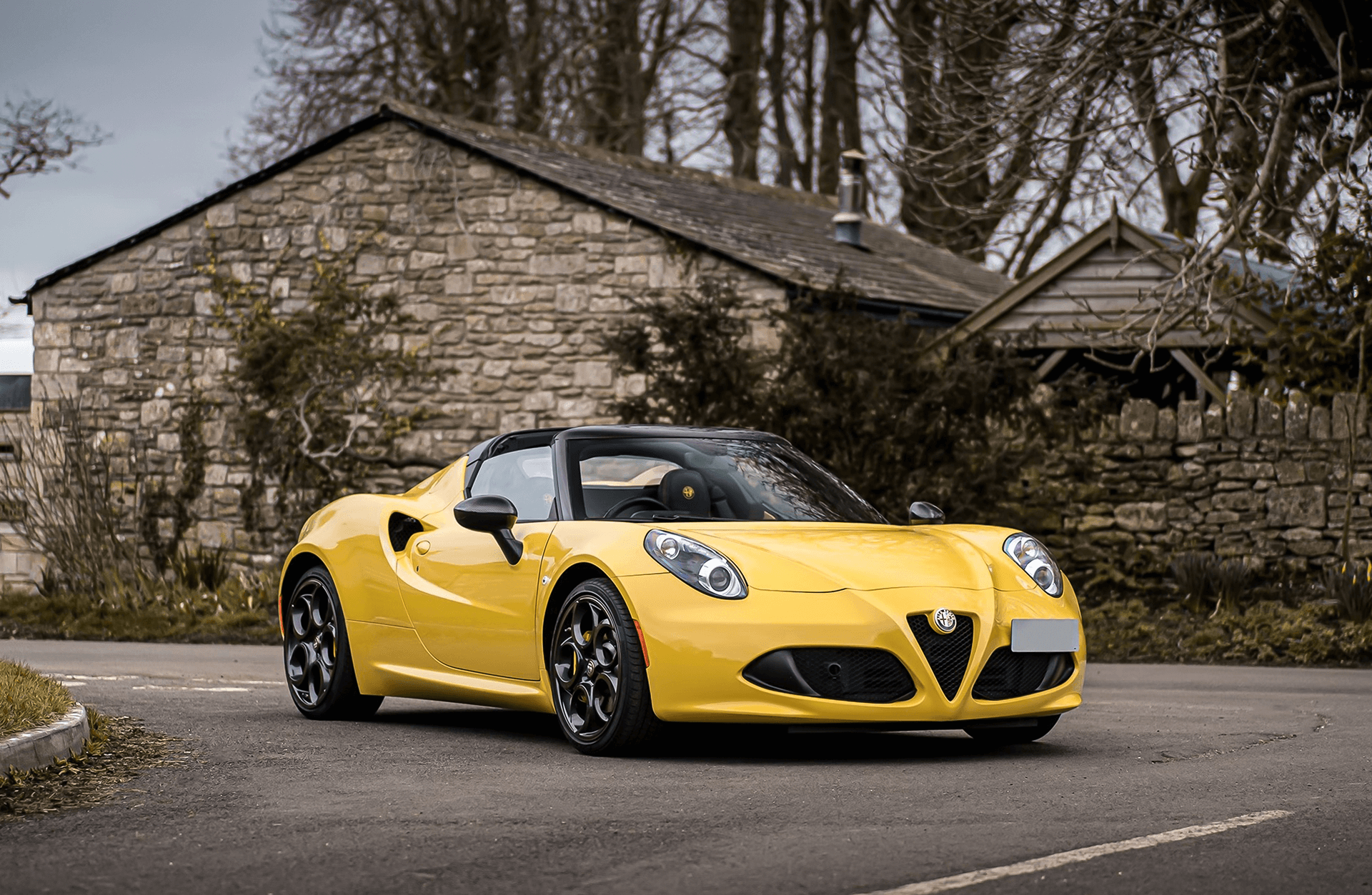
Will the Alfa Romeo 4C Spider Become a Classic Exotic Car?
Monday 30,2022 By aanEditor
Alfa Romeo vehicles have always been among the most sought after and highly collectible cars, so it would be no surprise if there’s another of those with the 4C Spider. If you’re looking to buy an Alfa Romeo, this could be the classic car you should choose. What exactly is it that makes Alfa Romeo’s cars just so good anyway? One of their strongest
Read More
Will EV Hypercars Ever Become More Popular Than Traditional Hypercars?
Wednesday 10,2026 By aanEditor
For years, the automotive world has been asking the same question: Are electric hypercars the future? On paper, the answer seems obvious. Modern all-electric hypercars are producing performance numbers that would have seemed impossible just a decade ago. Instant torque, incredible acceleration, advanced torque vectoring systems, and cutting-edge
Read More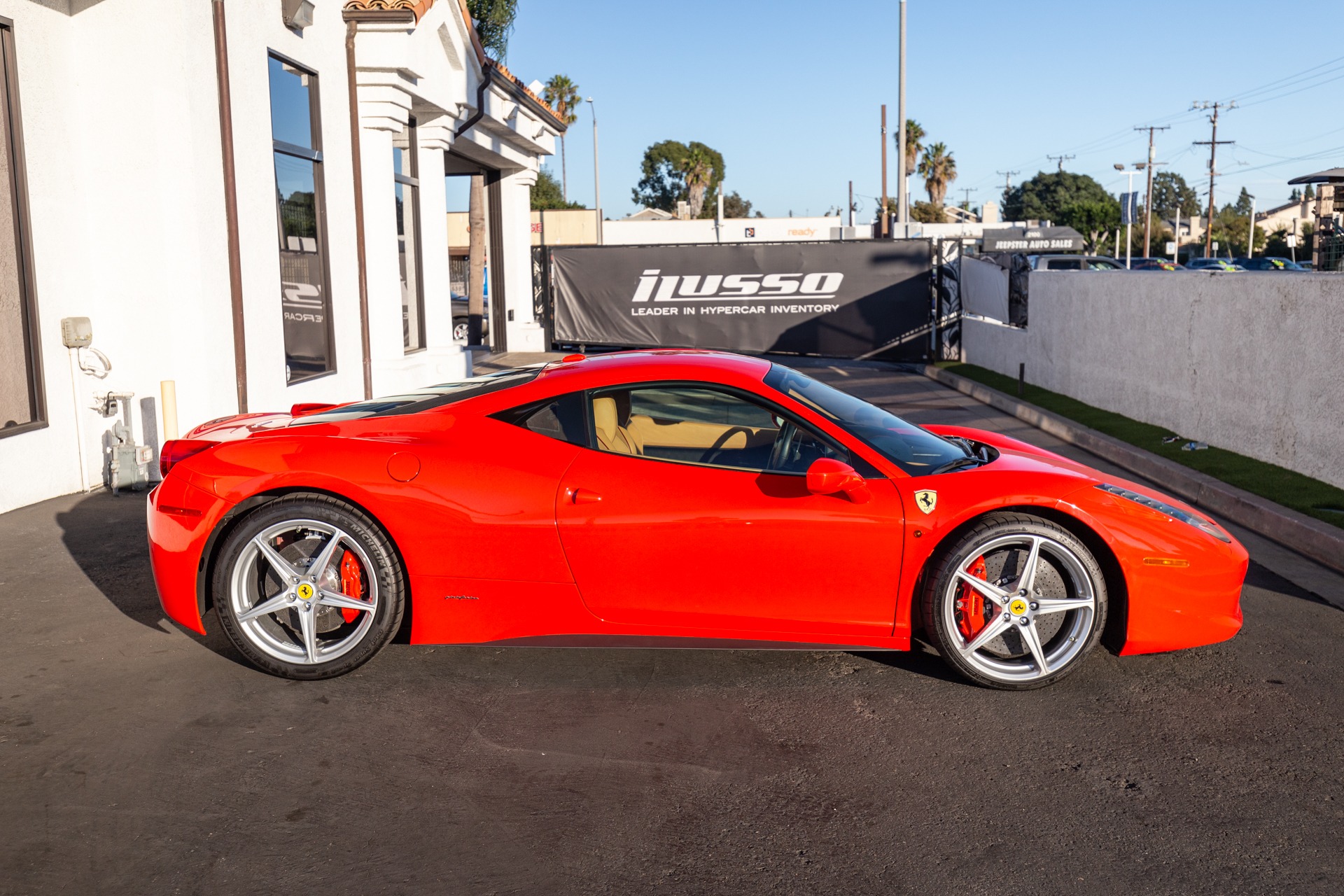
Why the Ferrari 458 Is Still A Car Enthusiasts Dream Car.
Wednesday 18,2023 By aanEditor
The Ferrari 458 is a mid-engined sports car produced by the Italian automotive manufacturer Ferrari. The 458 replaced the Ferrari F430, and was first officially unveiled at the 2009 Frankfurt Motor Show. It was succeeded by the Ferrari 488. The 458 is powered by a 4.5-liter V8 engine, which is capable of producing 562 horsepower and 398 lb-ft of torque.
Read More