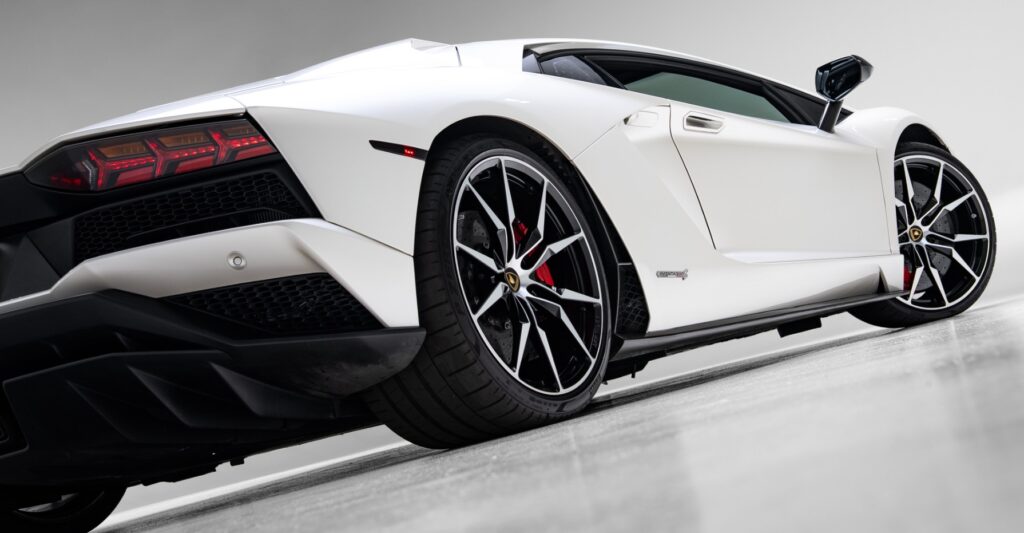
A sports car is usually the easier car to live with, while a supercar is the more extreme car to own. Most sports cars blend sharp performance with comfort and daily usability, often landing somewhere between about $30,000 and $175,000.
A supercar turns the volume up on everything. It is rarer, less practical, and built more for drama, often in the $200,000 to $800,000 range. Sports cars and supercars overlap, but supercars push harder on power, speed, styling, and exclusivity.
What is a sports car?
 A sports car is made for fun. You feel that in the steering, braking, acceleration, and the way the car changes direction, yet it is still easier to own than a supercar.
Most sports cars also do normal life better. They usually offer more cargo space, better fuel efficiency, less punishing ride quality, and lower ownership costs than many exotic cars.
Sports cars that feel exciting without being extreme
The category is wider than many people think. Some are light and playful, while others are luxury sports cars with serious punch. Rear-wheel drive is common, but all-wheel drive also shows up when traction matters.
BMW M models and Mercedes-AMG coupes sit on one side of the spectrum. Lower-model Porsches feel polished and everyday friendly. At the sharper end, the Corvette Z06, Nissan GT-R, and Dodge Viper sit close to the supercar line.
- BMW M models
- Mercedes-AMG coupes
- Lower-model Porsches
- Ford Mustang convertible
- Chevrolet Corvette Z06
- Nissan GT-R
- Dodge Viper
Not every sports car needs a mid-engine layout or ultra-rare production numbers. CarBuzz’s sports car, supercar, and hypercar guide makes that overlap easy to see.
Why sports cars are easier to live with
Balance is the whole appeal. A sports car usually rides better, fits daily errands more easily, and costs less when insurance, brakes, tires, and service bills arrive.
It may also give you real trunk room, usable seating, and cabin tech that feels normal on a long drive. If you want speed and style without making every trip feel like a production, a sports car is usually the smarter choice.
What is a supercar?
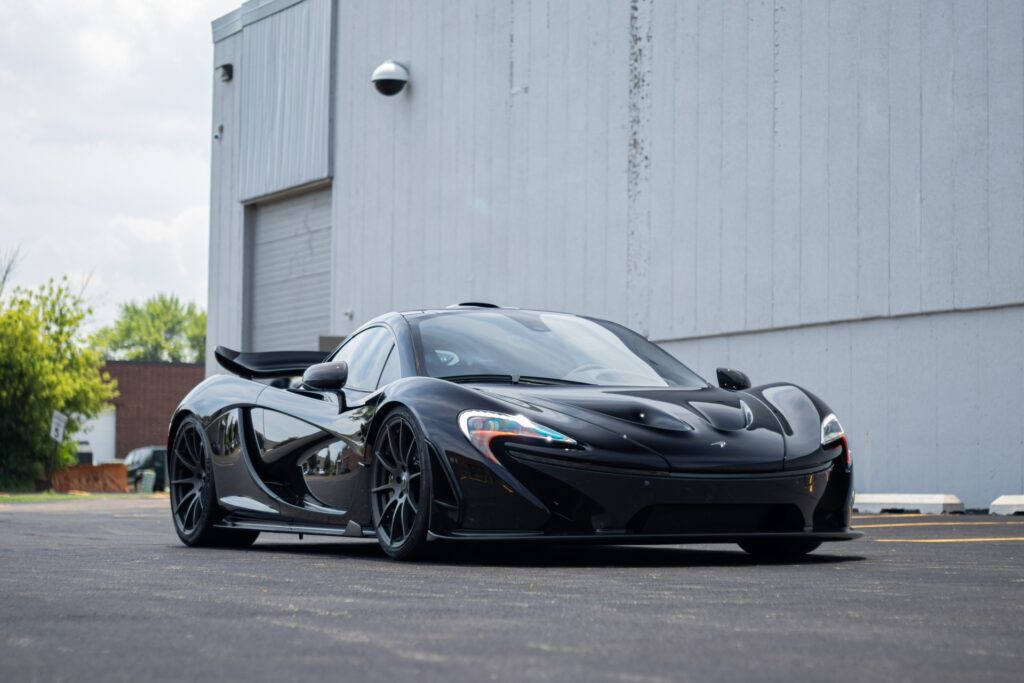
A supercar is an exotic, high-output machine built around drama. It chases maximum horsepower, brutal acceleration, huge top speed, and the kind of visual impact that changes the mood of a parking lot.
Price matters, and so does rarity. A supercar usually carries more exclusivity, more advanced technology, and more aggressive design than a standard sports car.
Supercar examples that define the segment
Many modern supercars also pack serious hardware. Carbon fiber, active aerodynamics, fast-shifting transmissions, and a hybrid powertrain are common. Some now use electric motors to sharpen response, and some push beyond 1,000 horsepower.
- Ferrari LaFerrari
- McLaren P1
- Rimac Nevera
- Lamborghini Revuelto
- Bugatti Veyron
- Porsche 918 Spyder
- Koenigsegg Jesko
- Porsche 911 GT3 RS
That list also shows where the supercar label starts to blur into hypercar territory. LaFerrari, the McLaren P1, the Porsche 918 Spyder, and the Bugatti Veyron all pushed the ceiling higher.
What makes a supercar feel special behind the wheel
The numbers tell only part of the story. Great supercars mix automotive engineering with emotion, so the steering feels razor sharp, the gearbox snaps hard, and the chassis seems glued to the road.
Many use mid-engine layouts, although not all do. The tradeoff is clear, because you often get less cargo space, a firmer ride, and less day-to-day comfort.
Sports cars vs. supercars, side by side
When people compare supercars vs. sports cars, the simplest answer is balance versus intensity. A sports car usually does more jobs well, while a supercar focuses on a more extreme, more exclusive experience.
This quick table keeps the differences easy to scan.
The real separator is the whole package, not a single stat.
The numbers that separate them
Sports cars often live in the 300 to 500 horsepower zone, although cars like the Nissan GT-R and Corvette Z06 stretch that rule. Supercars usually start near 500 horsepower and climb fast.
Their acceleration is harder, their top speed is higher, and their cooling, braking, and aero systems are built for more abuse. Rear-wheel drive often feels more interactive, while all-wheel drive can fire a car out of corners with startling force.
Where the line gets blurry
Some cars refuse a neat label. The Corvette Z06 has supercar pace. The Nissan GT-R mixes brutal all-weather speed with sports car practicality. The Dodge Viper delivered raw American force in a long-hood package, not a classic mid-engine exotic shape.
Meanwhile, the Porsche 911 GT3 RS feels more extreme than many older supercars. That is why the line depends on price, rarity, layout, and performance together.
FAQ: common questions about sports cars and supercars
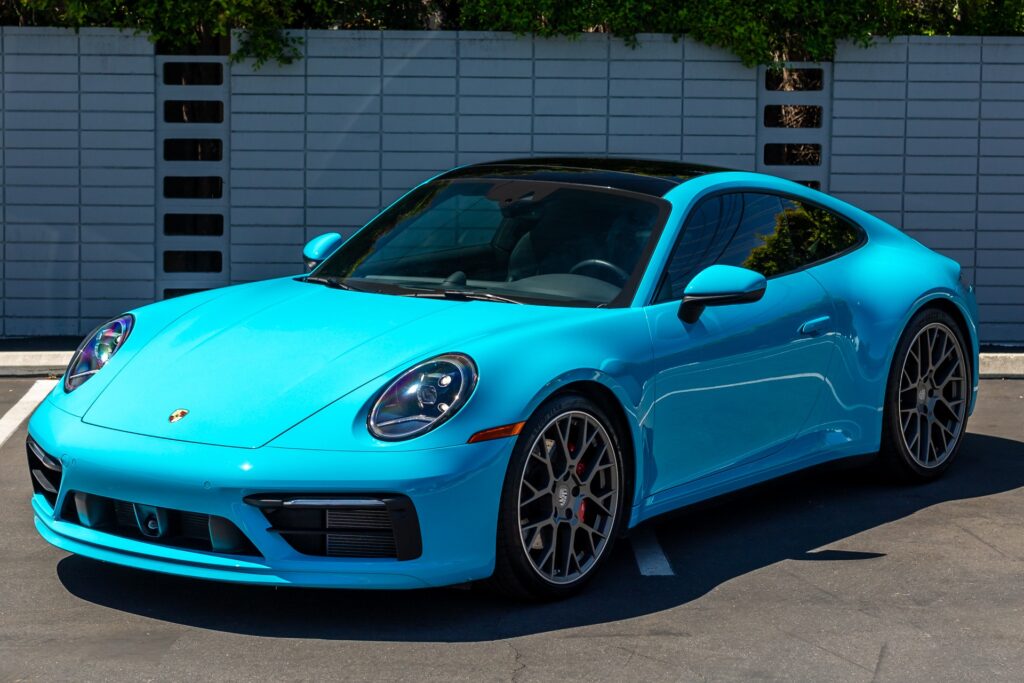
Is a Porsche 911 a sports car or a supercar?
Most 911 models are sports cars, but the highest trims can edge into supercar territory.
What makes a car a hypercar instead of a supercar?
A hypercar usually pushes rarity, price, and performance even further, often beyond 1,000 horsepower.
Are supercars good daily drivers?
Some are better than they used to be, but most still ask for real compromises in comfort and practicality.
Is all-wheel drive better than rear-wheel drive?
All-wheel drive gives more traction. Rear-wheel drive usually feels purer and more playful.
Which is easier to own, a sports car or a supercar?
A sports car is usually easier to insure, service, and drive often.
Why iLusso sees the supercar market differently
iLusso buys and sells exotic cars every day, so the team sees how shoppers move between sports cars, supercars, and everything in between. That real-world market knowledge matters when condition, mileage, brand prestige, and exclusivity can shift value fast.
How buying and selling habits shape real value
McLaren, Lamborghini, Koenigsegg, and Rimac attract different buyers than mainstream high-performance vehicles and luxury sports cars. As a result, pricing follows demand, provenance, options, and how carefully a car has been kept.
Ready to find the right exotic car?

A sports car is about balance. A supercar is about extremes, emotion, and exclusivity.
The better choice depends on how you want to drive, what you want to own, and how much practicality you need. Once that answer is clear, the badge on the hood gets much easier to choose.
If you’re weighing a daily-friendly sports car against a more dramatic supercar, start with the current listings or talk with iLusso about selling your current car and moving into something rarer.



Most Recent Posts
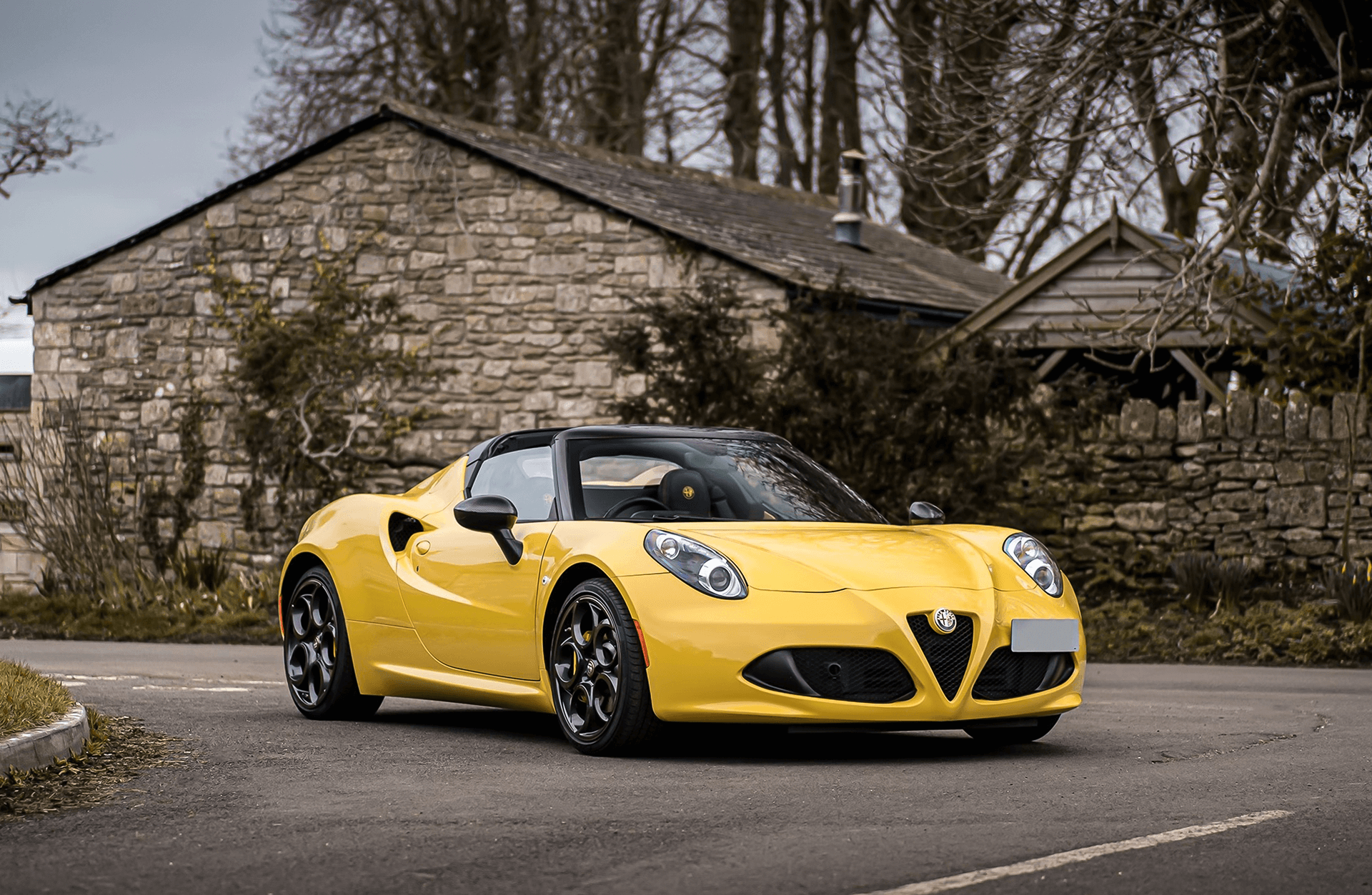
Will the Alfa Romeo 4C Spider Become a Classic Exotic Car?
Monday 30,2022 By aanEditor
Alfa Romeo vehicles have always been among the most sought after and highly collectible cars, so it would be no surprise if there’s another of those with the 4C Spider. If you’re looking to buy an Alfa Romeo, this could be the classic car you should choose. What exactly is it that makes Alfa Romeo’s cars just so good anyway? One of their strongest
Read More
Will EV Hypercars Ever Become More Popular Than Traditional Hypercars?
Wednesday 10,2026 By aanEditor
For years, the automotive world has been asking the same question: Are electric hypercars the future? On paper, the answer seems obvious. Modern all-electric hypercars are producing performance numbers that would have seemed impossible just a decade ago. Instant torque, incredible acceleration, advanced torque vectoring systems, and cutting-edge
Read More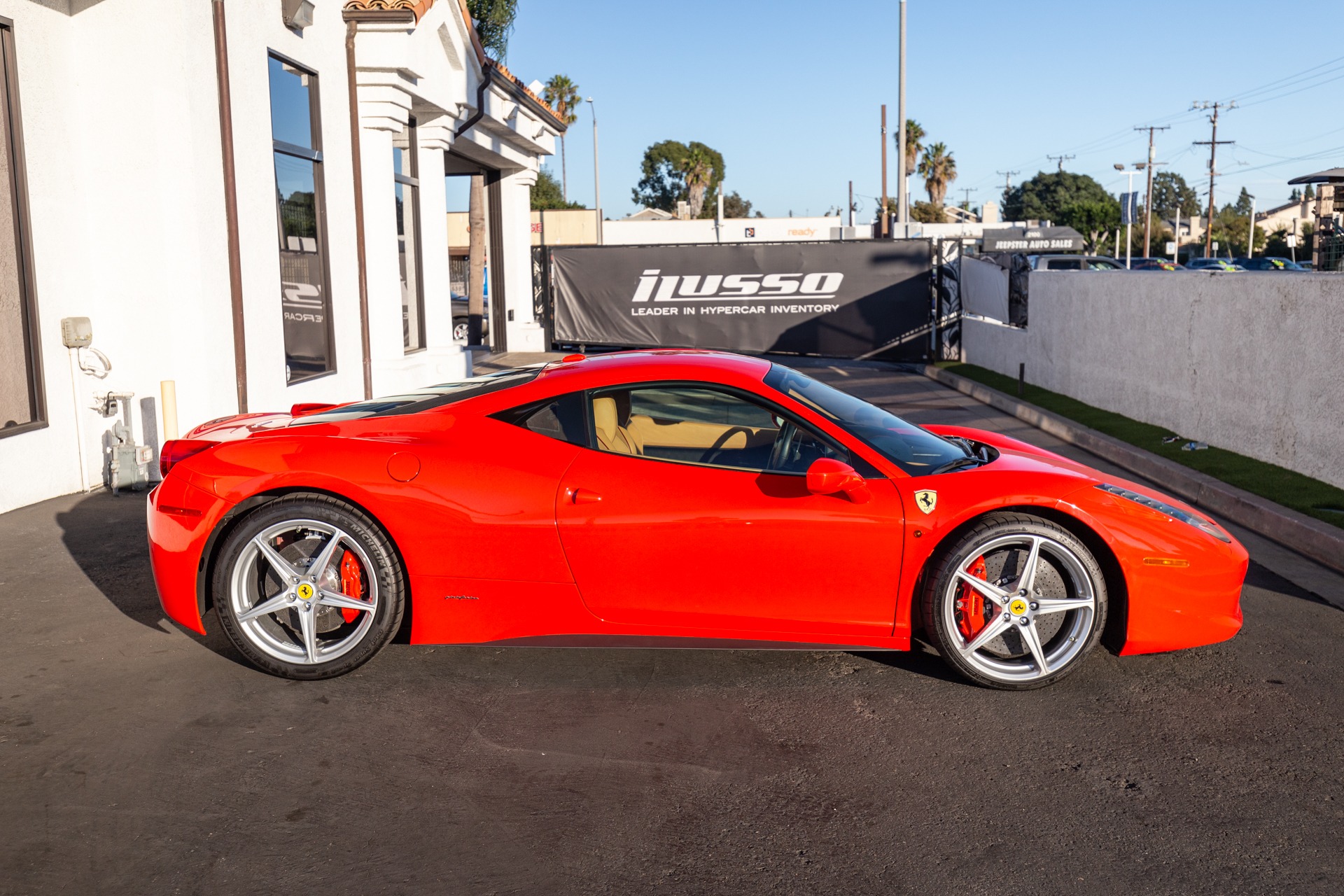
Why the Ferrari 458 Is Still A Car Enthusiasts Dream Car.
Wednesday 18,2023 By aanEditor
The Ferrari 458 is a mid-engined sports car produced by the Italian automotive manufacturer Ferrari. The 458 replaced the Ferrari F430, and was first officially unveiled at the 2009 Frankfurt Motor Show. It was succeeded by the Ferrari 488. The 458 is powered by a 4.5-liter V8 engine, which is capable of producing 562 horsepower and 398 lb-ft of torque.
Read More