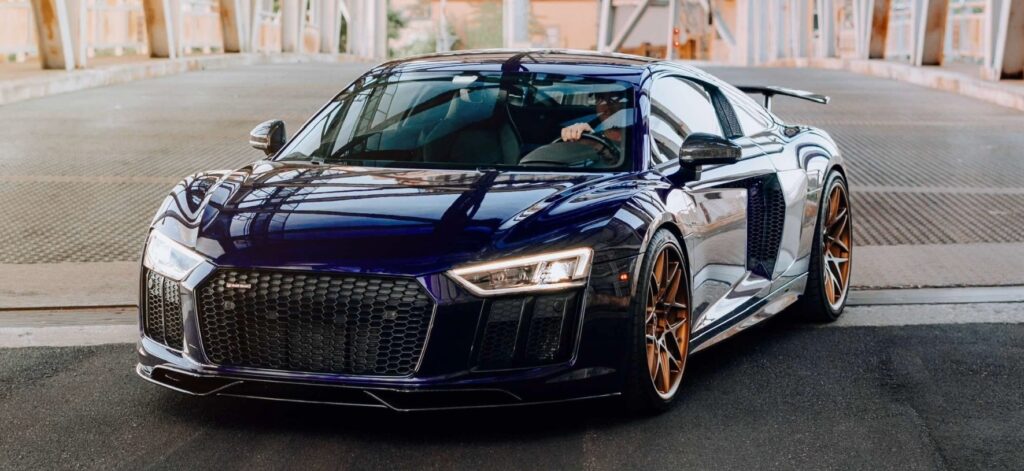
Germany is a section of the world where technology meets speed, craftsmanship meets purpose, and where the Autobahn mentality shapes every decision a manufacturer makes when perfecting these powerful machines.
At iLusso, we know these machines well because we have spent years buying and selling them. We’ve watched how they age, how they hold value, and how they behave in the real world, not just on magazine covers.
In this guide, we will take you through Germany’s top submissions into the supercar world. From the icons everyone knows, like Porsche, Mercedes-Benz, BMW, and Audi, to the rare and fascinating outliers such as Gumpert and Opel that prove Germany’s performance heritage runs deeper than most enthusiasts realize.
Read on to find out more about each…
Porsche: The Heart of German Supercars
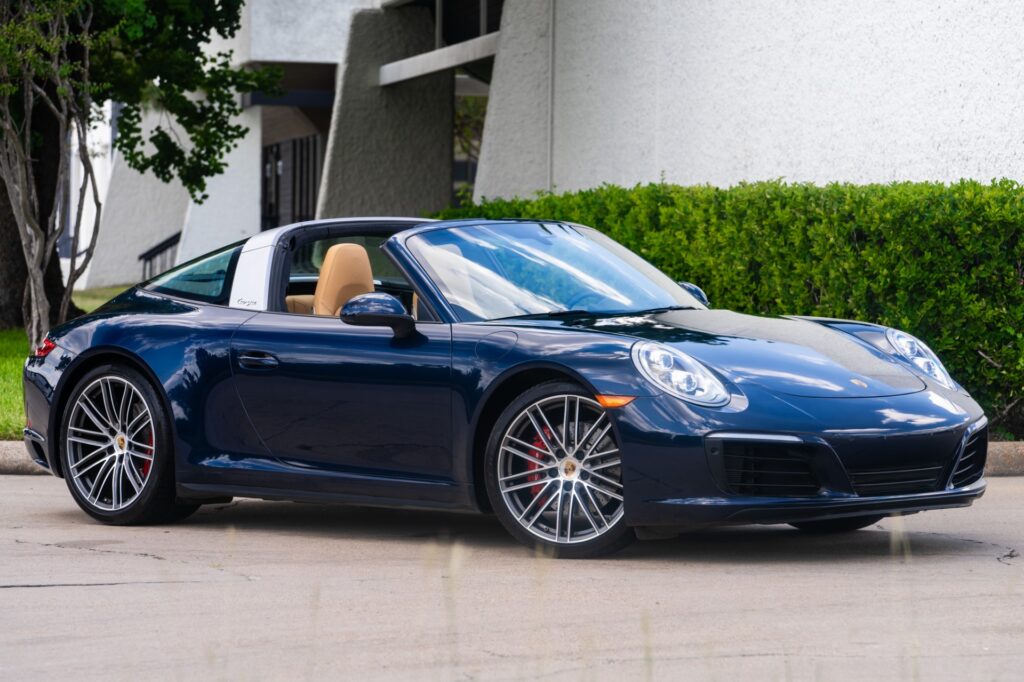
Porsche’s story began in the 1930s with Ferdinand Porsche’s engineering vision, evolving from early prototypes into a racing powerhouse whose dominance at Le Mans rewrote the sport’s history.
The arrival of the rear-engined, flat-six 911 transformed the brand into an icon. Its unmistakable silhouette, sharpened over decades of development laps at the Nürburgring, set the standard for German performance and became the benchmark that every rival still measures against.
Today, Porsche blends heritage, precision, and everyday usability in a way no other marque can replicate. Its lineup balances top-speed performance with real-world livability, all without losing the motorsport DNA that defines the brand. As Porsche embraces new technologies and electrification, it continues to build machines that feel equally at home on the street or the starting grid. Below, we explore the notable models that made Porsche a legend.
Notable Porsche Models
- Porsche 911 family: From narrow-body classics to turbocharged, all-wheel-drive monsters, the 911 evolved from simple sports cars into a wide coupe and roadster family that owns the “daily supercar” category.
- Carrera GT: A carbon spaceframe, screaming V10, and a manual gearbox make it feel like a pure racing car tamed just enough for the street.
- 918 Spyder: This hybrid hypercar used electric boost to chase record lap times and insane top speed while showing where German engineering could take performance cars.
- Speedster: Low windscreen, open roof, and lightweight turn every drive into a raw open-air driving experience.
- GT3 models: Track-focused 911 GT3 production cars mix high-rev power, downforce, and race-ready brakes so you can chase sector times right out of the showroom.
Browse iLusso’s Porsche Inventory.
Mercedes-Benz: Performance Cars that Define Power
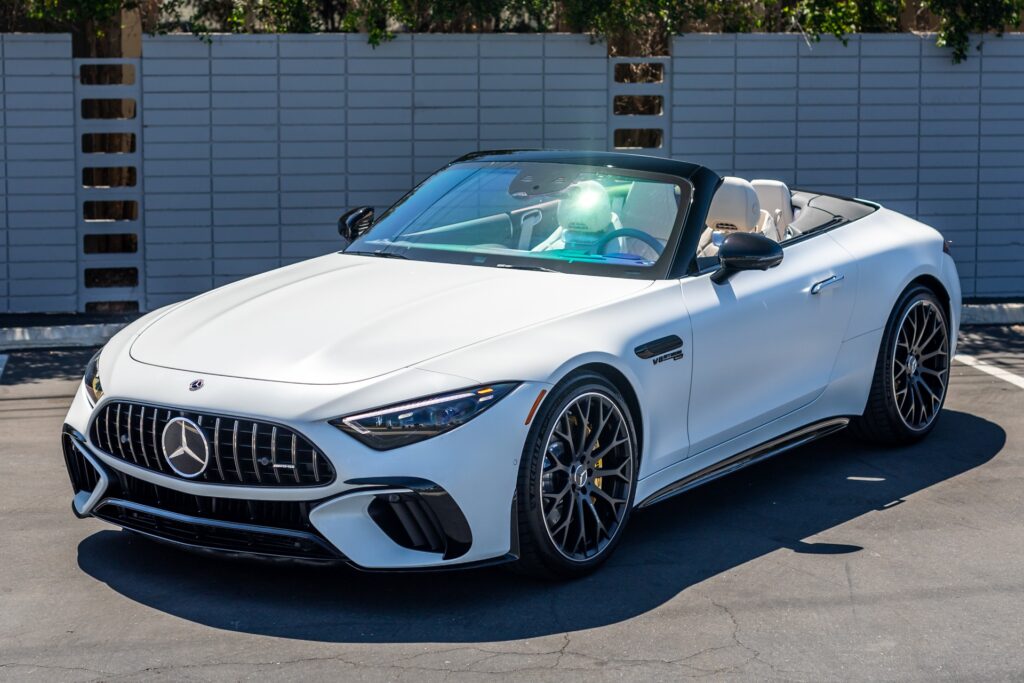
Mercedes-Benz traces its origins to the late 1800s as one of the first motorcars Germany had ever seen. Years later, their legendary Silver Arrows racing cars of the 1930s and 1950s dominated circuits across Europe, proving that the Mercedes-Benz brand was as committed to speed and competition as it was to refinement.
Then came the 300SL in the 1950s, a technological masterpiece with its pioneering fuel injection system and iconic gullwing doors. It set the tone that would define both the look and the capability of every modern sports car.
In the decades that followed, Mercedes continued to push the limits of comfort, safety, and performance, eventually channeling its racing spirit into a dedicated performance division: Mercedes-AMG. What began as a small independent tuner became the beating heart of the brand’s high-performance identity, transforming sedans, coupes, and supercars into thunderous twin-turbo machines with race-bred instincts.
Today, Mercedes-Benz and Mercedes-AMG represent a blend of heritage, innovation, and raw power, all wrapped in unmistakable luxury. Below, we take a closer look at the notable models that helped define Mercedes-Benz’s place in the supercar world.
Notable Mercedes-Benz Models
- Mercedes-Benz 300SL: The classic icon, mixing gullwing doors, light weight, and fuel injection that was far ahead of its time.
- Mercedes-AMG lineup: From compact sports sedan to big convertibles, these performance cars pack turbocharged engines, sharp gearboxes, and track-ready brakes.
- AMG GT Black Series: A hardcore coupe with huge aero, a savage twin-turbo engine, and a gearbox tuned for track use that chases GTR-level lap times.
- Maybach models: These cars stretch the luxury car idea with lounge-style cabins, yet still hide serious power for smooth, high-speed cruising.
- G63: A boxy off-road beast that pairs old-school shape with a modern twin-turbo engine and a cabin fit for a private jet.
Browse iLusso’s Mercedes-Benz Inventory.
BMW M Cars: From M1 Supercar to the M3 and M8
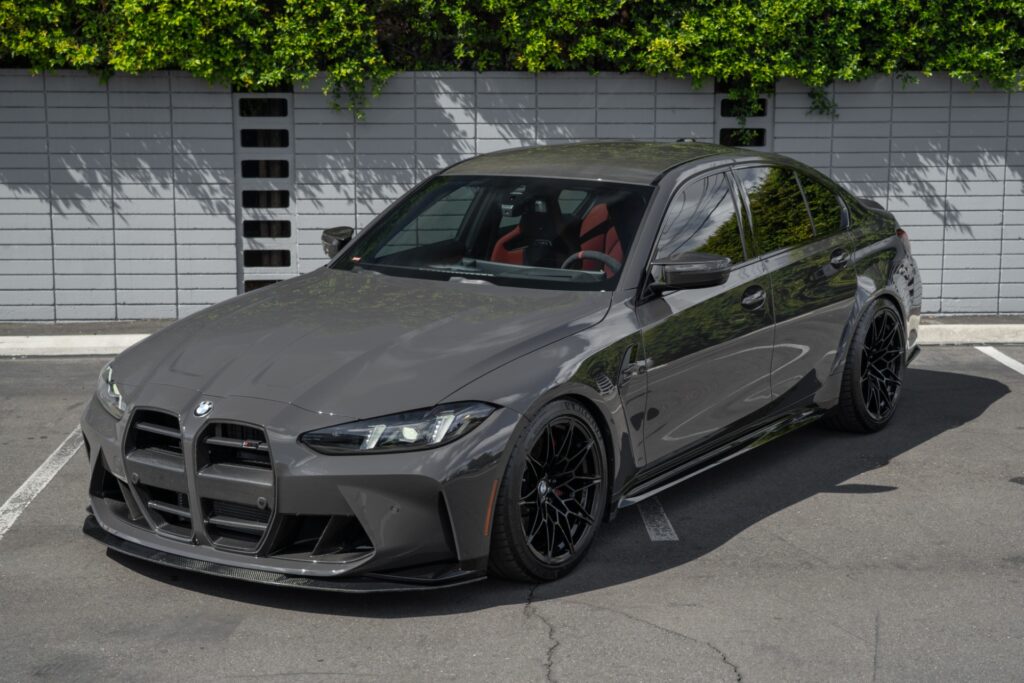
BMW’s story began in the early 1900s with aircraft engines, a foundation that shaped the brand’s precision engineering. When BMW transitioned into road cars, that same pursuit of balance, power, and mechanical purity carried over. Racing quickly became part of the company’s identity, with motorsport influencing everything from chassis dynamics to engine development. This deep connection to competition paved the way for BMW M, the performance division built to bring race-track instincts to everyday driving.
The BMW M1 marked a turning point, becoming the brand’s first true mid-engined supercar. Its sharp wedge design, rarity, and motorsport pedigree made it an instant icon and a blueprint for future M cars. From there, the M badge evolved into a symbol of accessible performance, spreading across coupes, convertibles, and sedans while maintaining BMW’s commitment to driving feel and engineering excellence. See below for notable examples.
Notable BMW Models
- BMW M1: A limited-production mid-engined supercar that blended racing cars and production car needs into one dramatic shape.
- BMW M3: A compact sports sedan legend, with high-rev or twin-turbo straight-six engines and a balance that makes twisty roads feel like a private track.
- BMW M8: A grand touring coupe that mixes huge power, all-wheel-drive grip, and long-distance comfort that can keep up with Ferrari or McLaren rivals on the highway.
Browse iLusso’s BMW Inventory.
Audi R8: All-Wheel-Drive Supercar With Racing DNA
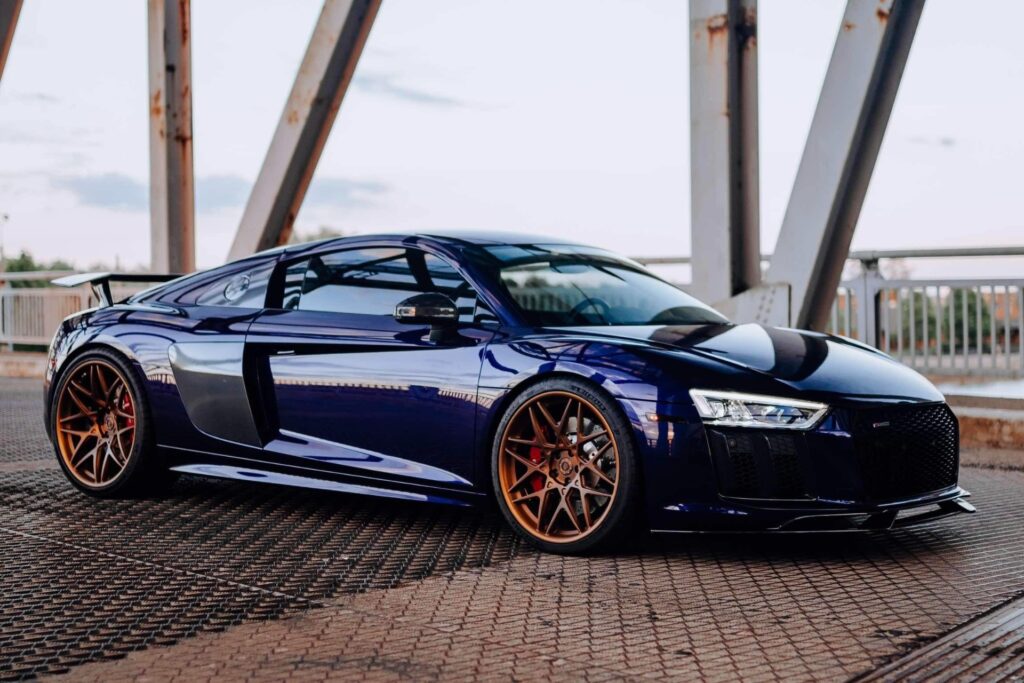
Audi first rose to global fame through its revolutionary Quattro rally cars, which proved that all-wheel drive could conquer dirt, ice, and tarmac with the same confidence. That breakthrough changed performance engineering forever. In the years that followed, Audi continued to build its reputation on the world stage with dominant runs at Le Mans, showing that the brand could master endurance racing just as convincingly as rally.
Those victories shaped the character of Audi’s road cars, bringing racing tech and stability to everything from compact models to full-size luxury cruisers. The Audi R8 became the clearest expression of that evolution, acting as the bridge between track-born engineering and everyday drivability.
- Audi R8: A mid-engined V10 supercar with all-wheel-drive grip that feels locked to the road, offering a driving experience that stands toe-to-toe with Ferrari, McLaren, and other rivals in the automotive industry.
Browse iLusso’s Audi Inventory.
Gumpert (Also Known As: Apollo Automobil): Boutique German Hypercars Built for the Track
Gumpert, now known as Apollo Automobil, is one of Germany’s most unconventional supercar makers. It was founded by former Audi Sport director Roland Gumpert with a singular mission: build a machine that prioritizes raw performance over everything else. The result was the Apollo, a ruthless, track-focused monster designed to generate extreme downforce, deliver brutal acceleration, and chase lap times rather than luxury. Moreover, Gumpert built cars that felt closest to prototype racers with license plates, earning a cult following among enthusiasts who value engineering purity and unfiltered speed.
Notable Gumpert Models
- Apollo: A raw hypercar with a twin-turbo engine, spaceframe or carbon structure, and a body that makes sense on a Nürburgring timing sheet more than on a boulevard.
- Apollo Sport: A sharper variant tuned for even more downforce and high-speed grip, built for drivers who treat every road like a warmup for track time.
Opel: Accessible German Sports Cars
Opel is not a traditional supercar manufacturer, but its role in German performance history is more important than most realize. When the brand started building automobiles in Germany in 1899, it set the path to become one of the largest European car manufacturers. Through innovative engineering and experimental projects, Opel has produced lightweight, high-output machines that punched far above their weight.
Built with sharp handling and a driver-focused feel, these cars showcased the brand’s ability to blend affordability with genuine performance. While Opel rarely sits in the supercar spotlight, its bold engineering choices helped influence a generation of German cars and proved that thrilling performance is not limited to the biggest names.
Notable Opel Models
- Opel Manta GSi: Light, playful, and sharp, this coupe brought motorsport flavor to normal roads and weekend backroads.
- Opel Kadett GSi: A small hatch that felt like a pocket racer, its quick responses helped everyday owners feel part of the same story as big-name racing cars.
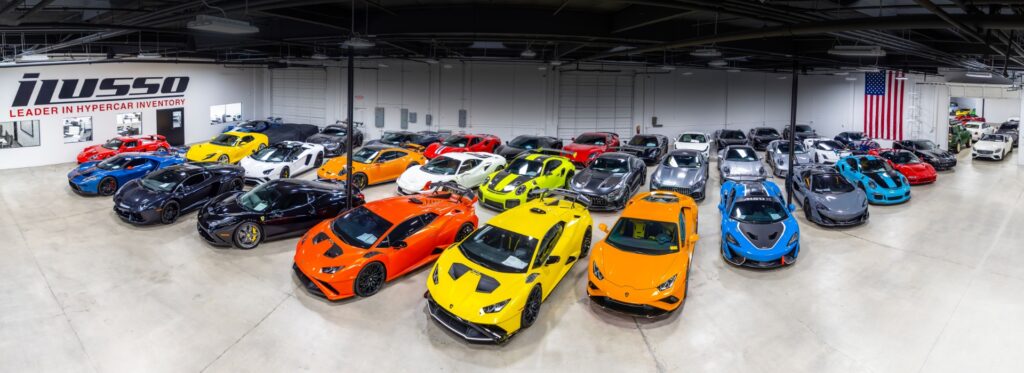
Find Your Next German Supercar With iLusso
German supercars have a character all their own, shaped by everyday usability, precise engineering, and performance that feels carved from discipline rather than drama (we’re looking at you, Italian supercars).
If these cars spark something in you, you are in the right place. Our team understands turbocharged and twin-turbo engines, race-bred gearboxes, all-wheel-drive systems, track history, and how all that translates into your real driving experience.
Browse our selections of German supercars and more. Whether you are moving up from a sports car or trading out of a Ferrari, Lamborghini, McLaren, or other hypercar, we can help you sell your current car and slide into the German supercar that fits your life.



Most Recent Posts
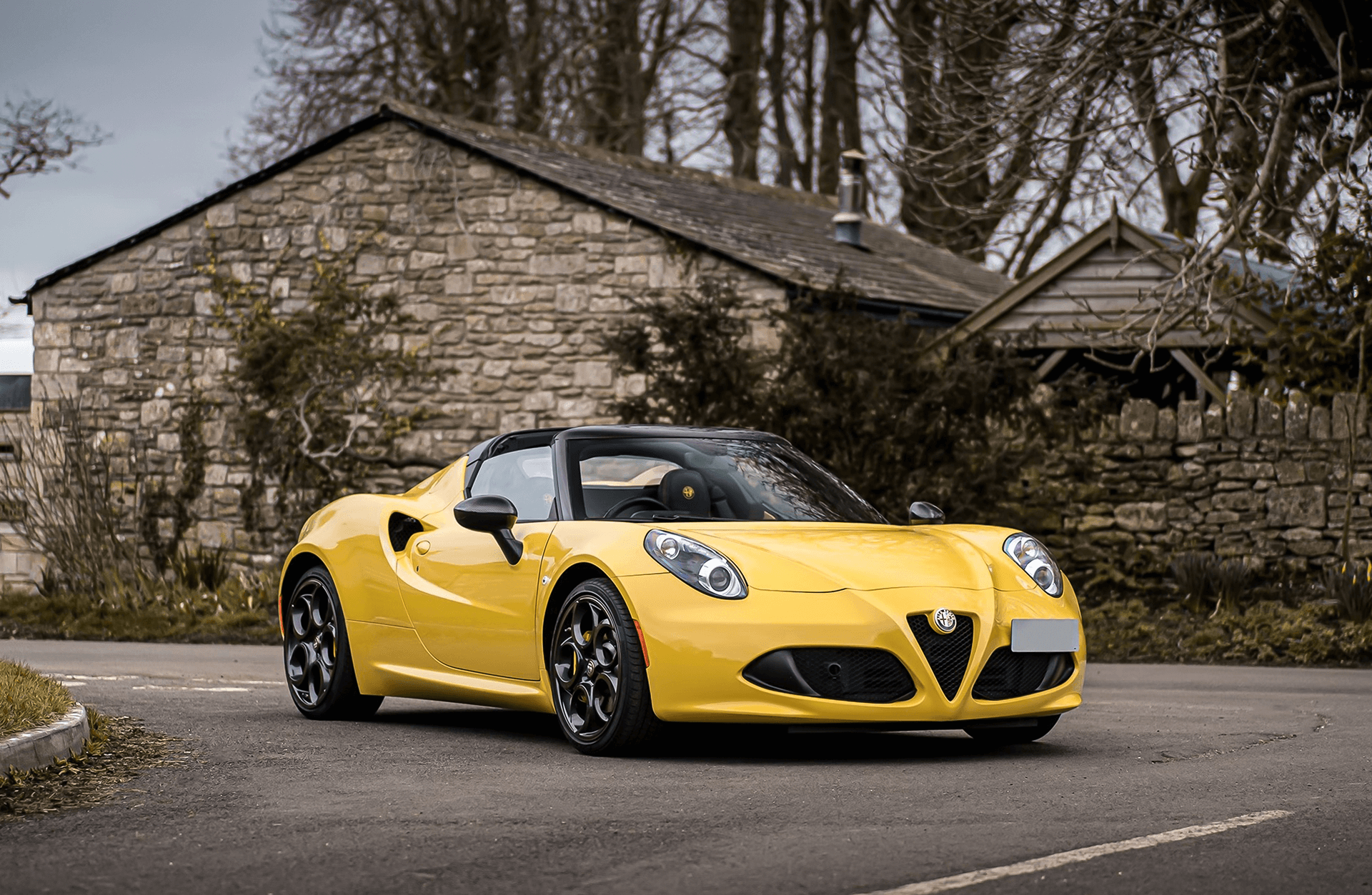
Will the Alfa Romeo 4C Spider Become a Classic Exotic Car?
Monday 30,2022 By aanEditor
Alfa Romeo vehicles have always been among the most sought after and highly collectible cars, so it would be no surprise if there’s another of those with the 4C Spider. If you’re looking to buy an Alfa Romeo, this could be the classic car you should choose. What exactly is it that makes Alfa Romeo’s cars just so good anyway? One of their strongest
Read More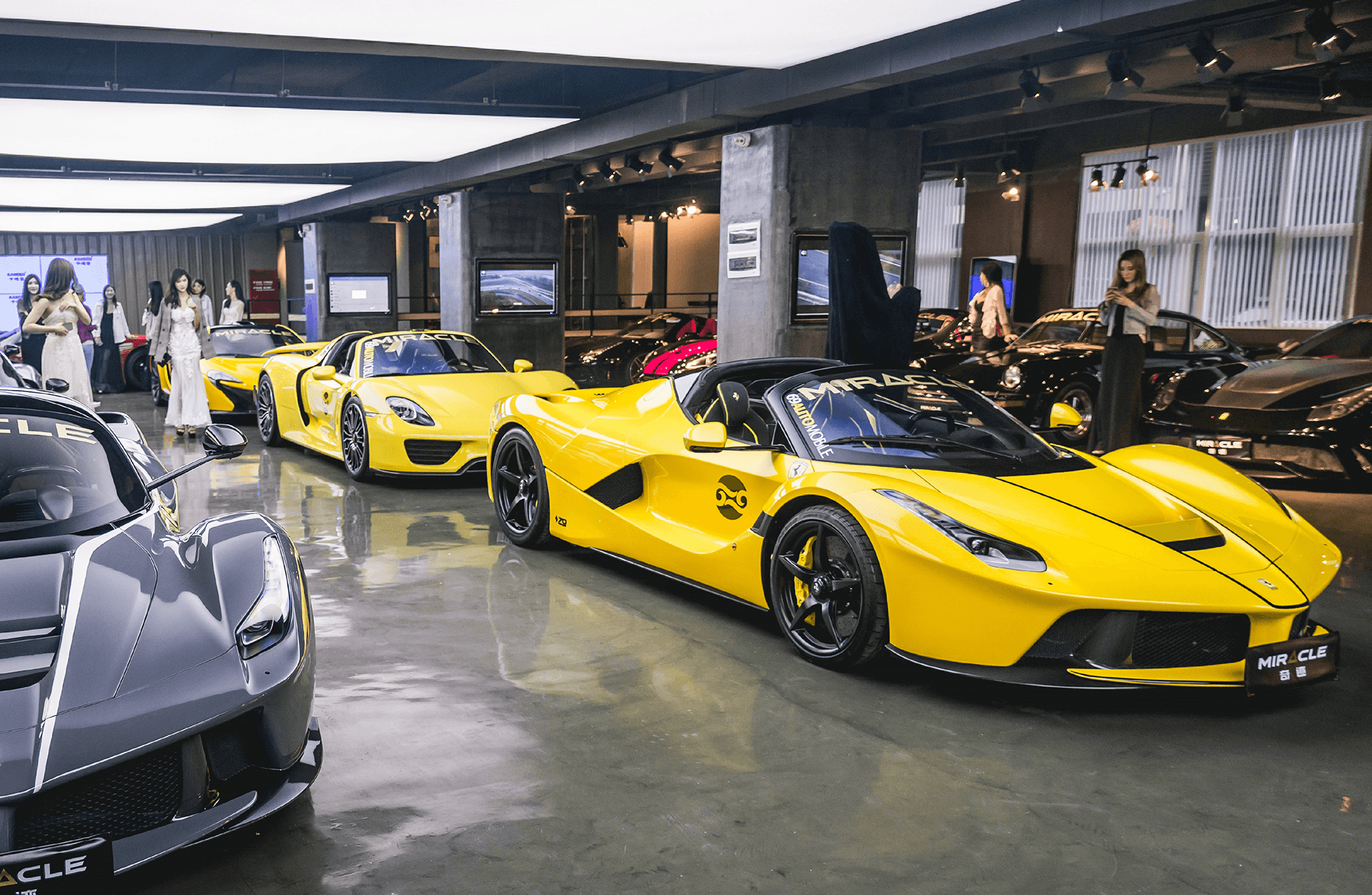
Will New EV Hypercars Become Popular?
Thursday 10,2022 By aanEditor
Electric vehicles (EVs) seem to be the new trend as many people have turned a focus on “going green.” Fully electric vehicles don’t run on a combustion engine, and therefore produce no carbon emissions that are damaging to the atmosphere and the air we breathe. EVs compare nicely to traditionally fueled cars when it comes to things like driving
Read More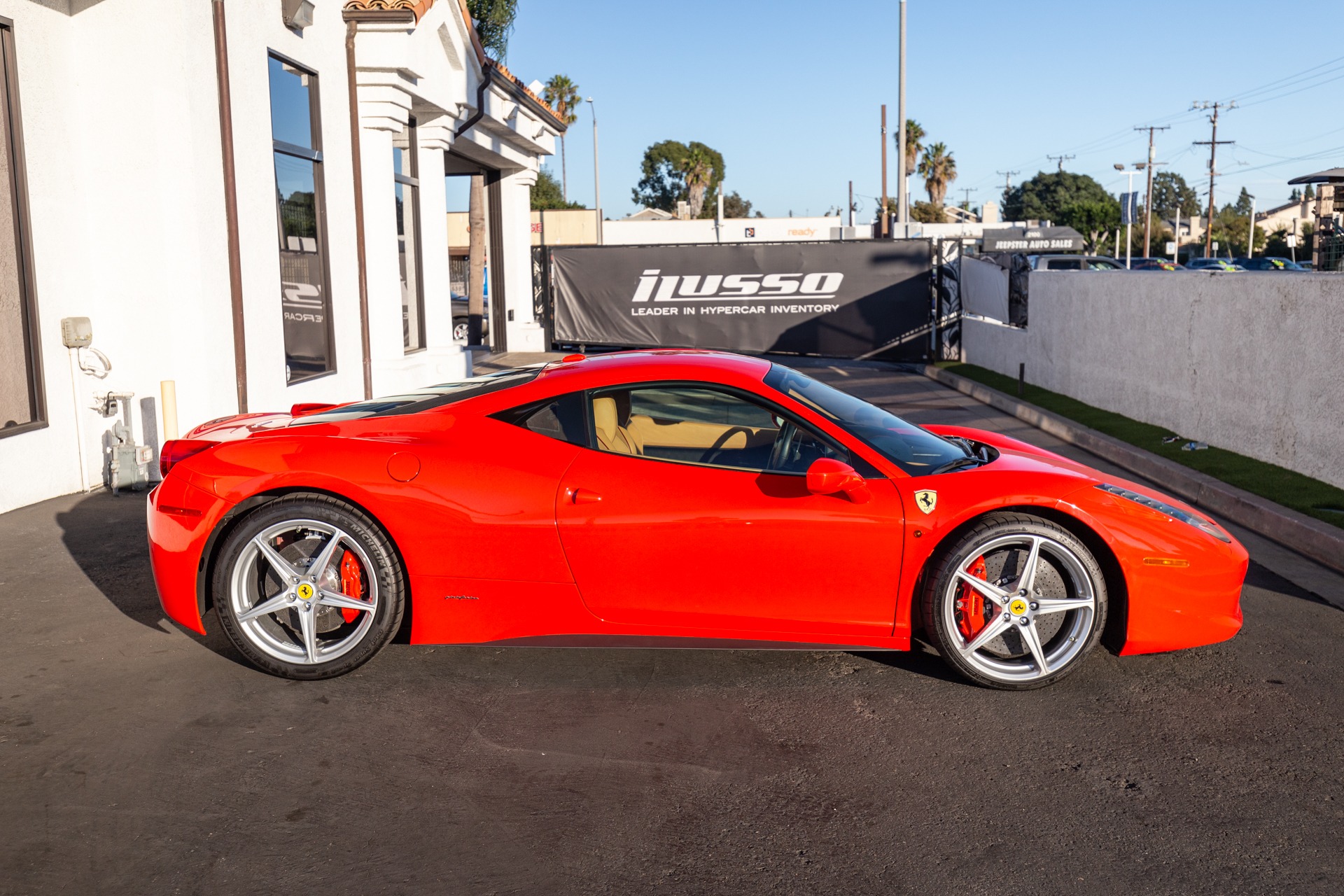
Why the Ferrari 458 Is Still A Car Enthusiasts Dream Car.
Wednesday 18,2023 By aanEditor
The Ferrari 458 is a mid-engined sports car produced by the Italian automotive manufacturer Ferrari. The 458 replaced the Ferrari F430, and was first officially unveiled at the 2009 Frankfurt Motor Show. It was succeeded by the Ferrari 488. The 458 is powered by a 4.5-liter V8 engine, which is capable of producing 562 horsepower and 398 lb-ft of torque.
Read More