
The words “exotic car” immediately bring a certain image to mind. They look sharp, they go fast, and they cost a load of money. But to tell you the exact answer is almost impossible.
There’s really no textbook definition to reference when someone asks, “What is an exotic car?” It’s a mix of speed, rarity, price, design, and brand. Not to mention, it is also often a matter of personal opinion, too.
One thing is for sure, though: they are unique and quite exceptional. Many people believe that to qualify as an exotic car, the vehicle must be a limited edition or able to reach a certain top speed. Some people also believe that the country in which a car is produced has a lot to do with a car being exotic or not. Is it Italian? Is it German or British? When, in reality, exotic cars can come from anywhere.
To make an incredibly general statement, if you’re really into labels, you might define an exotic car as “one that thrills with its superior performance but satisfies with its luxury comfort.”
1. Exotic Cars Usually Have Exotic Designs
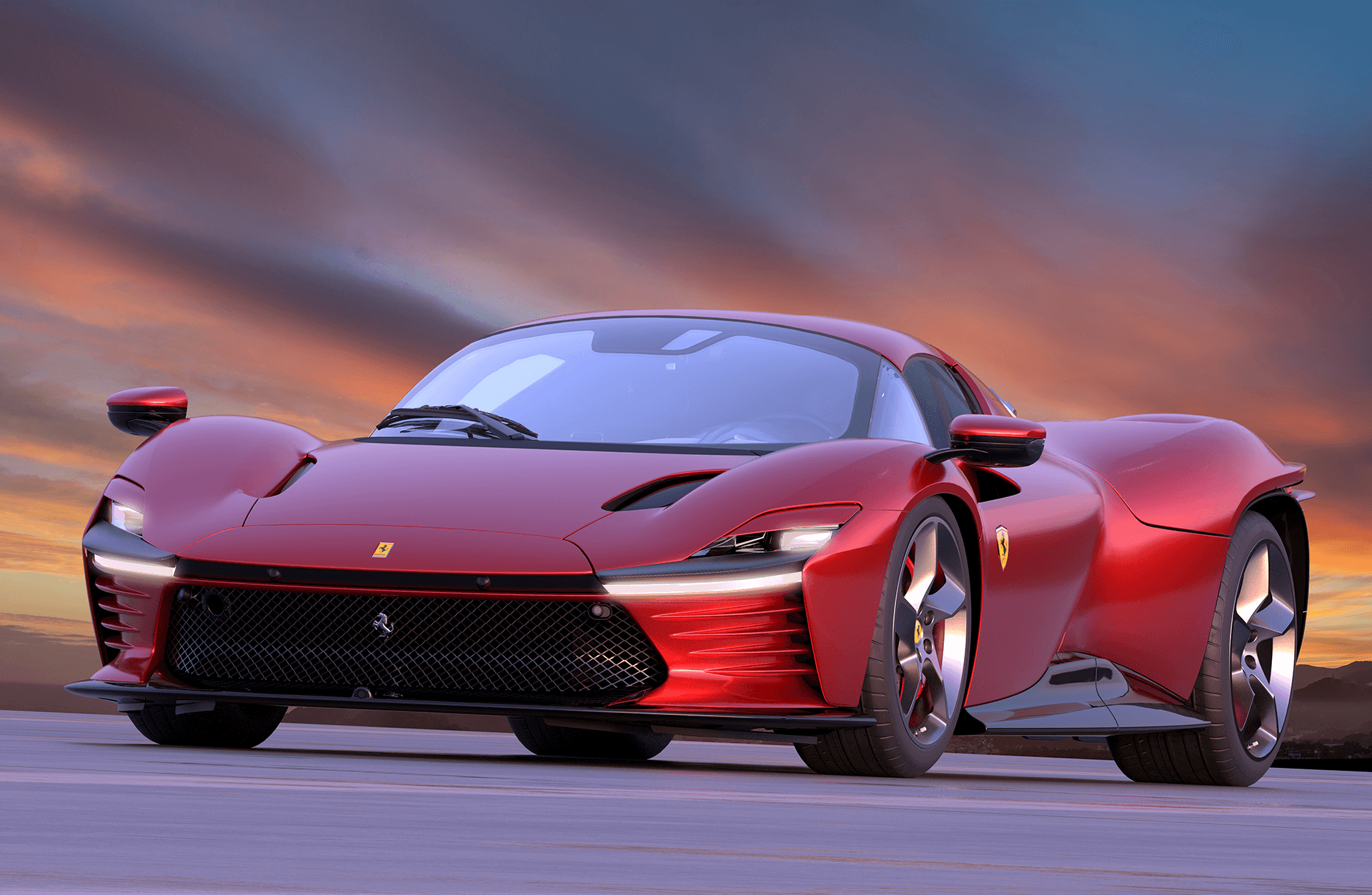
It’s probably safe to say that exotic cars have exotic designs. These cars typically have a unique design that probably would best be described as angular and slim. The bodies are low to the ground to hang tight curves on the track, and the car has little cabin or trunk space.
Due to the specs of an exotic car, there is often limited production. Automakers are also likely to use incredibly special materials that allow for powerful engines and enhanced driving experiences in the vehicle, which also means quantities may be limited.
Exotic cars may be designed with a host of things like carbon and Kevlar, titanium, gold, silver, magnesium, and rhodium. It’s no surprise that those items are actually some of the world’s most expensive and scarce materials. In fact, if you’ve really got your heart set on something that looks pretty expensive, Porsche and Aston Martin are just a few that will allow you to commission a vehicle to your exact specifications.
2. Exotic Cars Usually Have Higher Prices
Those rare materials that are often used in the manufacturing of exotic cars also come with hefty pricing. Some of the least expensive exotic vehicles still come in at around $50,000, but every kind of person can own an exotic car, so the cost may or may not be a factor in status symbol. The price does come with certain perks, though. Exotic cars are often much safer and better built than in the past.
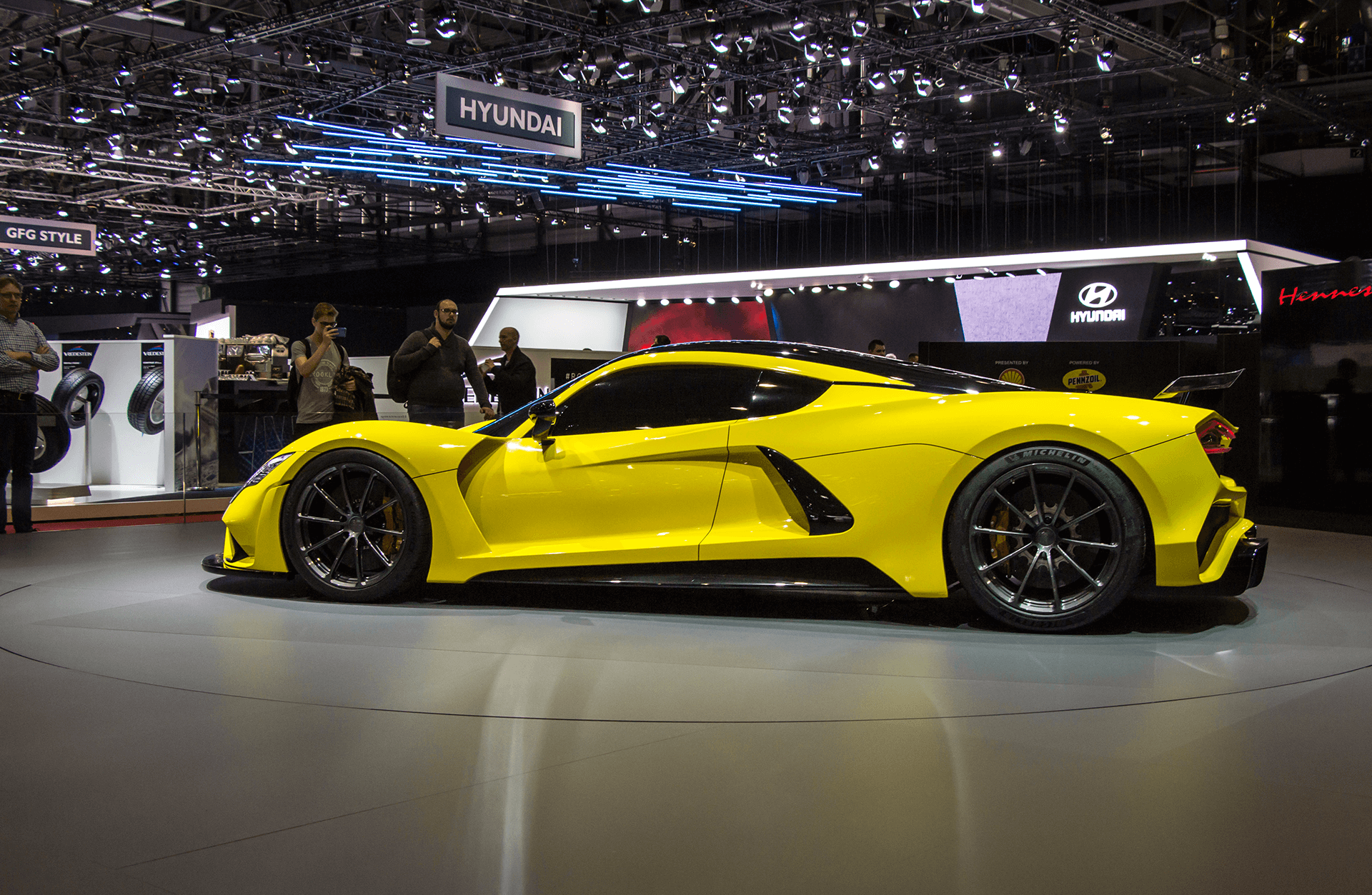
For example, the Hennessey Venom GT at one time ranked near the top of the list for the most expensive high-performance vehicle on the market.
Surprisingly enough, Hennessey is a small Texas company that has now beaten out Bugatti’s Veyron in speed and is coming close in price. The Venom GT came in at just under $1,000,000 without even thinking about any extra components or additional features. Though the company may be small, the Venom GT is definitely mighty. This model is impressive, boasting a body made entirely of carbon fiber.
Carbon fiber is actually sitting at a price of around $22 per kilogram, as of now. Many exotic cars are made for the track alone, so using materials like carbon fiber comes with the added benefit of extra protection for drivers and an incredibly lightweight body to keep the car aerodynamic and speedy.
3. Exotic Cars May or May Not Be Street Legal
Another interesting component of exotic cars is the fact that many of them are still street legal. But, as you move into the ranks of supercars, muscle cars, and hypercars, many do not meet the standards of a street-legal car.
It doesn’t matter whether you’re manufacturing a Honda Civic or a Koenigsegg Agera RS; the U.S. still requires automakers to go through a certain number of steps to ensure the safety of drivers on the road.
Speaking of Koenigsegg, CEO Christian Koenigsegg actually weighed in on it, claiming that making an exotic car street legal may actually be one of the most difficult things for a maker in the automotive industry.
Koenigsegg is a Swedish exotic car brand, so it’s to be expected that conditions and standards may vary between the countries. The process for making these cars driver safe can be divided into a few categories, including active safety, passive safety, and emissions.
Active safety involves obvious things every car should have, and every driver will have to use at some point, whether it’s a million-dollar exotic model or not. Examples of active safety include headlights and mirrors. Passive safety refers to safety features of the car that protect the driver in the event of a crash.
CEO of the Koenigsegg brand, Christian von Koenigsegg, revealed that over half of their budget for building an exotic car is dedicated to these safety aspects, which can be a major roadblock to anyone starting up a project.

What’s Your Exotic Worth?
Why deal with the uncertainties of a private buyer or other dealership?
Work with the best in the business!
iLusso is one of the largest automotive buyers of supercars, exotic sports cars, and high-end, luxury cars, coupes, and SUVs in the United States. We specialize in these luxury vehicle brands: Aston Martin, Bentley, Bugatti, Ferrari, Lamborghini, Koenigsegg, Mercedes-Benz, Maserati MC20, McLaren, Pagani, Porsche, Rolls-Royce, Range Rover, and Audi R8.
Have one of these that you’re looking to sell?



Most Recent Posts

Will the Alfa Romeo 4C Spider Become a Classic Exotic Car?
Monday 30,2022 By aanEditor
Alfa Romeo vehicles have always been among the most sought after and highly collectible cars, so it would be no surprise if there’s another of those with the 4C Spider. If you’re looking to buy an Alfa Romeo, this could be the classic car you should choose. What exactly is it that makes Alfa Romeo’s cars just so good anyway? One of their strongest
Read More
Will EV Hypercars Ever Become More Popular Than Traditional Hypercars?
Wednesday 10,2026 By aanEditor
For years, the automotive world has been asking the same question: Are electric hypercars the future? On paper, the answer seems obvious. Modern all-electric hypercars are producing performance numbers that would have seemed impossible just a decade ago. Instant torque, incredible acceleration, advanced torque vectoring systems, and cutting-edge
Read More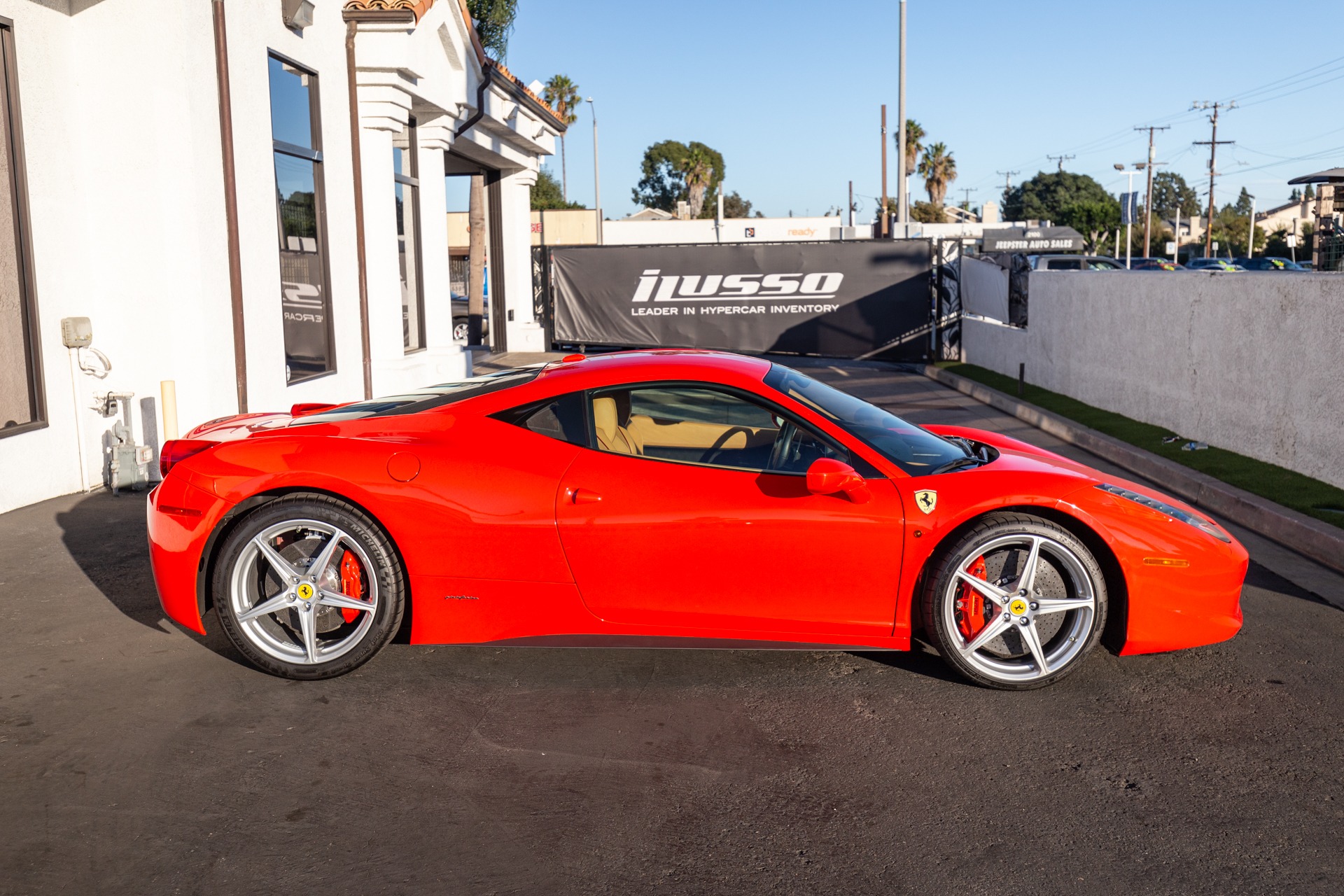
Why the Ferrari 458 Is Still A Car Enthusiasts Dream Car.
Wednesday 18,2023 By aanEditor
The Ferrari 458 is a mid-engined sports car produced by the Italian automotive manufacturer Ferrari. The 458 replaced the Ferrari F430, and was first officially unveiled at the 2009 Frankfurt Motor Show. It was succeeded by the Ferrari 488. The 458 is powered by a 4.5-liter V8 engine, which is capable of producing 562 horsepower and 398 lb-ft of torque.
Read More